
Aloe Vera (Aloe vera (L.) Burm.f.): Benefits, Dosage, Side Effects & Research
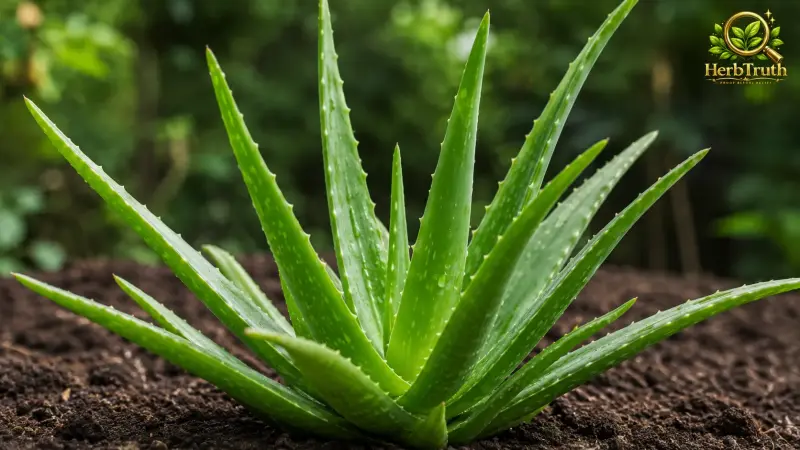
Aloe vera is a succulent plant whose thick, fleshy leaves contain a gel-like substance. It is globally used for many health benefits, including skin and digestive problems.
Quick Facts & Key Highlights
Table of Contents
What is the Scientific Name of Aloe Vera?
The botanical or scientific name of Aloe vera (L.) Burm.f. is commonly known as Aloe Vera. This plant botanically belongs to the Asphodelaceae family. Its other local or common vernacular names include Aloe Vera, घृतकुमारी, कुमारी.
Ayurvedic Profile (Classical Ayurvedic Properties)
Ayurvedic characteristics according to classical text Bhavaprakasha Nighantu, Charaka Samhita:
Key Active Phytochemicals & Bioactive Compounds
Phytochemicals Found in Plant Parts
Diseases Treated, Healing Action & Scientific Proofs
12 Verified ConditionsWhy Disease Occurs & Human Body Impact:
Burns occur when skin or other tissues are damaged by external agents, primarily thermal (heat from flames, hot liquids, steam), chemical (acids, alkalis), electrical currents, radiation (e.g., prolonged sun exposure), or friction. The severity of a burn depends on the temperature/concentration of the agent, the duration of exposure, the depth of tissue penetration, and the total body surface area affected. Wound healing is the subsequent physiological process initiated by the body to repair this tissue damage, involving inflammation, proliferation, and remodeling phases. Burns inflict a range of harms from superficial skin damage to life-threatening systemic injury. Locally, they cause pain, erythema, blistering, necrosis of epidermal and dermal layers, and loss of the skin's protective barrier, leading to increased risk of infection and fluid loss. Deeper burns can damage subcutaneous tissues, muscles, and bones. Systemically, extensive burns can precipitate hypovolemic shock, electrolyte imbalances, metabolic derangements, immune suppression, and organ dysfunction. Long-term complications include significant scarring, contractures, psychological trauma, and chronic pain. Impaired wound healing can lead to persistent non-healing wounds, chronic inflammation, and hypertrophic or keloid scarring.
How Plant Acts & Heals This Disease:
Aloe vera accelerates wound healing processes and soothes burnt or wounded skin.
Key Active Compounds in Herb targeting this Ailment
Polysaccharides (Acemannan)Estimated Time to See Results:
Aloe Vera, particularly its gel, is traditionally utilized for its proposed anti-inflammatory, analgesic, antiseptic, and moisturizing properties, primarily in the management of first-degree burns (e.g., sunburn) and superficial second-degree burns. When applied topically, performance in reducing acute pain and inflammation may be observed within hours to 1-2 days. Its role in supporting recovery involves promoting epithelialization and maintaining skin hydration. While it may accelerate the healing process by a few days for minor wounds compared to untreated conditions, significant wound closure and full epidermal regeneration still typically require days to weeks depending on the wound depth and size. Patients should expect alleviation of discomfort and supportive wound moisture, but Aloe Vera is not a substitute for conventional medical treatment for deep or extensive burns, where prompt clinical evaluation is essential.
Recommended Dosage & Adjuvant:
Apply gel directly to the affected area
Why Disease Occurs & Human Body Impact:
Constipation is characterized by infrequent bowel movements (typically fewer than three per week) and/or difficulty passing stools. Its multifactorial etiology includes insufficient dietary fiber intake, inadequate fluid consumption, sedentary lifestyle, medication side effects (e.g., opioids, anticholinergics, iron supplements), habitually ignoring the urge to defecate, and underlying medical conditions such as irritable bowel syndrome, hypothyroidism, diabetes, or neurological disorders affecting colonic motility. Physiological mechanisms often involve slow colonic transit time, impaired defecation reflexes, or structural abnormalities. The primary symptoms of constipation include straining during defecation, hard or lumpy stools, a sensation of incomplete evacuation, anorectal blockage, and the need for manual maneuvers to facilitate defecation. Chronic constipation can lead to significant discomfort, abdominal pain, bloating, and more severe complications such as hemorrhoids, anal fissures, rectal prolapse, and fecal impaction. It can also substantially diminish an individual's quality of life and necessitate medical intervention to prevent further morbidity.
How Plant Acts & Heals This Disease:
Aloe vera acts as a natural laxative, promoting bowel movement.
Key Active Compounds in Herb targeting this Ailment
AloinsEstimated Time to See Results:
When specifically referring to the laxative properties of *Aloe Vera*, these are primarily attributed to anthraquinones (e.g., aloin, emodin) found in the yellow latex layer just beneath the rind of the leaf, not the clear inner gel. These compounds act as stimulant laxatives by irritating the colonic mucosa, increasing intestinal peristalsis, and inhibiting water reabsorption. The onset of this laxative effect typically occurs within 6 to 12 hours following oral ingestion. Patients should expect increased bowel motility and defecation within this timeframe. However, it is crucial to note that prolonged or excessive use of aloe latex is strongly discouraged due to potential side effects including electrolyte imbalance (particularly hypokalemia), dehydration, abdominal cramping, and the risk of developing laxative dependence ('lazy bowel syndrome'). For chronic constipation, lifestyle modifications and safer laxative classes are generally recommended over stimulant laxatives.
Recommended Dosage & Adjuvant:
50-200mg dried leaf extract at night (low dose)
Why Disease Occurs & Human Body Impact:
Inflammation, the physiological process targeted by anti-inflammatory agents, is a fundamental protective response initiated by the immune system. It occurs in response to tissue injury, infection (e.g., bacteria, viruses), exposure to irritants (e.g., allergens, toxins), or abnormal immune activity such as autoimmune reactions where the body mistakenly attacks its own tissues. This intricate process involves the coordinated action of immune cells, blood vessels, and biochemical mediators to eliminate harmful stimuli and initiate tissue repair. Uncontrolled or chronic inflammation, rather than 'anti-inflammatory properties' being a disease, can lead to significant physiological harm. Acute inflammation, while protective, manifests as localized redness, heat, swelling, pain, and temporary loss of function. If prolonged or misdirected, chronic inflammation contributes to tissue damage, fibrosis, and organ dysfunction. It is implicated in the pathogenesis of numerous conditions including cardiovascular diseases, metabolic disorders (e.g., type 2 diabetes), neurodegenerative diseases, certain cancers, and autoimmune disorders like rheumatoid arthritis and inflammatory bowel disease, causing systemic symptoms such as persistent fatigue, pain, and diminished quality of life.
How Plant Acts & Heals This Disease:
Aloe vera helps reduce systemic and localized inflammation.
Key Active Compounds in Herb targeting this Ailment
Enzymes (Bradykinase)Estimated Time to See Results:
Aloe Vera, known for its anti-inflammatory properties attributed to compounds like polysaccharides (e.g., acemannan), glycoproteins, and anthraquinones, typically supports the body's natural healing processes rather than providing a rapid cure. For topical application on minor skin irritations or superficial burns, a soothing effect and initial reduction in redness or discomfort may be noticed within hours to a few days. For more substantial symptomatic improvement, consistent application over several days to a week may be required. When consumed orally for conditions such as mild gastrointestinal inflammation, the effects are generally more gradual and subtle; individuals might observe supportive benefits after consistent daily use over several weeks (e.g., 2-4 weeks). It is crucial to manage expectations, as Aloe Vera acts as a complementary agent and its efficacy can vary widely based on the individual, the specific condition's severity, and the product's quality. It is not a substitute for conventional medical treatment for severe or chronic inflammatory diseases.
Recommended Dosage & Adjuvant:
Gel for external application, 15-30ml juice for internal use
Why Disease Occurs & Human Body Impact:
Eczema (Atopic Dermatitis) is a chronic inflammatory skin condition primarily driven by a complex interplay of genetic predisposition (e.g., mutations in the filaggrin gene impairing skin barrier function), immune system dysregulation (often Th2-mediated), and environmental triggers (allergens, irritants, microbes, stress). Psoriasis is a chronic autoimmune inflammatory skin disease characterized by accelerated epidermal cell turnover, resulting from a genetic predisposition interacting with immune system abnormalities (T-cell mediated, particularly Th1 and Th17 pathways). Triggers for psoriasis can include infections (e.g., streptococcal for guttate psoriasis), skin injury (Koebner phenomenon), stress, and certain medications. Eczema manifests primarily as intense pruritus (itching), erythema, xerosis (dryness), scaling, and in chronic cases, lichenification. Acute flares can involve papules and vesicles. Complications include secondary bacterial (e.g., Staphylococcus aureus) and viral infections, sleep disturbances, and significant impairment of quality of life due to discomfort and psychological distress. Psoriasis presents as well-demarcated erythematous plaques covered with silvery scales, commonly on extensor surfaces. Other manifestations include nail dystrophy, pustular forms, and erythrodermic psoriasis. A significant complication is psoriatic arthritis, affecting joints in up to 30% of patients. Psoriasis is also associated with an increased risk of metabolic syndrome and cardiovascular disease, alongside psychological impact.
How Plant Acts & Heals This Disease:
Aloe vera reduces skin inflammation, itching, and promotes skin hydration.
Key Active Compounds in Herb targeting this Ailment
Enzymes, PolysaccharidesEstimated Time to See Results:
Aloe Vera is typically considered a supportive botanical agent for skin conditions like eczema and psoriasis, not a primary curative treatment. Its performance is attributed to its anti-inflammatory, moisturizing, antiseptic, and wound-healing properties. For symptomatic relief such as moisturizing dry skin, reducing mild pruritus, or providing a soothing effect, patients might perceive benefits within a few days of consistent topical application. However, for a measurable reduction in visible symptoms like erythema or scaling in very mild cases of psoriasis or eczema, consistent daily application, often for several weeks (e.g., 4-8 weeks), may be required. It is crucial to understand that Aloe Vera's role is to complement conventional therapies by improving skin hydration and potentially reducing mild inflammation. It is not effective for moderate-to-severe forms of these diseases and should not replace prescribed medical treatments. Individual responses can vary, and patients should discontinue use if irritation occurs.
Recommended Dosage & Adjuvant:
Apply gel directly to the affected area, 2-3 times daily
Why Disease Occurs & Human Body Impact:
Oral health issues such as gingivitis and plaque primarily arise from the accumulation of bacterial biofilm, known as dental plaque, on tooth surfaces and along the gumline. This biofilm consists of various bacterial species embedded in an extracellular matrix. When not adequately removed through daily oral hygiene practices (brushing and flossing), plaque calcifies into calculus (tartar). The bacteria within plaque release toxins and metabolic byproducts that trigger an inflammatory response in the surrounding gingival tissues, leading to gingivitis. Contributing factors include poor oral hygiene, specific bacterial strains (e.g., Porphyromonas gingivalis, Streptococcus mutans), dietary habits rich in fermentable carbohydrates, and host immune response variations. The primary harm caused by plaque and gingivitis manifests as inflammation of the gingiva, characterized by redness, swelling, tenderness, and bleeding upon probing or brushing. Patients may also experience halitosis (bad breath). Untreated gingivitis can progress to periodontitis, a more severe form of periodontal disease involving irreversible destruction of the supporting bone and connective tissues around the teeth. This can lead to gum recession, pocket formation between teeth and gums, increased tooth mobility, and ultimately, tooth loss. Furthermore, chronic oral inflammation has been linked to systemic health conditions, including cardiovascular disease, diabetes complications, and adverse pregnancy outcomes, highlighting its broader impact on overall health.
How Plant Acts & Heals This Disease:
Aloe vera reduces gum inflammation and bacterial plaque, improving overall oral health.
Key Active Compounds in Herb targeting this Ailment
SaponinsEstimated Time to See Results:
When utilizing Aloe Vera as an adjunct therapy for gingivitis and plaque control, its anti-inflammatory, antimicrobial, and wound-healing properties can contribute to symptom reduction. Patients employing Aloe Vera-based mouthwashes, toothpastes, or gels, alongside improved mechanical plaque control (brushing and flossing), may typically observe a reduction in gingival inflammation and bleeding within **1 to 2 weeks** of consistent, twice-daily use. More significant improvements, such as reduced gingival index scores and enhanced tissue health, may become apparent within **3 to 4 weeks**. It is important to note that Aloe Vera supports recovery and helps reduce the impact of inflammation and bacterial load but does not replace the need for professional dental cleaning (scaling and root planing) to remove established plaque and calculus, which are the root cause. Sustained benefits require continuous use and adherence to a comprehensive oral hygiene regimen.
Recommended Dosage & Adjuvant:
Rinse with aloe vera mouthwash, twice daily
Why Disease Occurs & Human Body Impact:
The term 'Antioxidant Support' does not refer to a disease but rather to a physiological need and a strategy to mitigate oxidative stress within the body. Oxidative stress occurs when there is an imbalance between the production of reactive oxygen species (free radicals) and the body's ability to neutralize them. This imbalance can be exacerbated by various factors, including environmental pollutants, UV radiation, poor diet, chronic inflammation, strenuous exercise, and normal metabolic processes. Therefore, people 'need' antioxidant support to maintain cellular health and prevent damage from free radicals, rather than 'getting' a disease called 'Antioxidant Support'. Since 'Antioxidant Support' is not a disease, it does not directly cause harm. Conversely, *insufficient* antioxidant support, leading to chronic oxidative stress, can cause significant harm. This harm manifests as cellular and molecular damage, including lipid peroxidation, protein modification, and DNA damage. These changes contribute to systemic inflammation, accelerate cellular aging, and are implicated in the pathogenesis and progression of numerous chronic diseases such as cardiovascular diseases, neurodegenerative disorders (e.g., Alzheimer's, Parkinson's), certain cancers, diabetes, and age-related macular degeneration. Symptoms are typically insidious and non-specific, often masked by the symptoms of the underlying chronic conditions.
How Plant Acts & Heals This Disease:
Aloe vera possesses antioxidant properties that protect cells from damage caused by free radicals.
Key Active Compounds in Herb targeting this Ailment
VitaminsEstimated Time to See Results:
For the medicinal plant Aloe Vera to contribute to 'Antioxidant Support,' it's crucial to understand that this isn't about 'recovery' from a disease, but rather ongoing physiological support. Aloe Vera contains various compounds, including polyphenols, vitamins (A, C, E), and enzymes, which possess antioxidant properties. When consumed orally or applied topically, these compounds contribute to the body's overall antioxidant defense system. The 'time to performance' is not a short-term acute effect like medication for an infection. Instead, any demonstrable impact on reducing oxidative stress or supporting cellular health would be subtle, cumulative, and typically observed over weeks to months of consistent use as part of a healthy lifestyle. Expectation should be for a supportive role in general well-being and health maintenance, rather than a rapid 'cure' or a distinct 'recovery' timeline for a specific ailment.
Recommended Dosage & Adjuvant:
30ml aloe vera juice once daily
Why Disease Occurs & Human Body Impact:
Acne vulgaris is a chronic inflammatory dermatosis of the pilosebaceous unit, primarily driven by four pathophysiological factors: increased sebum production, follicular hyperkeratinization leading to comedone formation, proliferation of Cutibacterium acnes (formerly Propionibacterium acnes) within the follicle, and subsequent inflammation. Contributing factors include hormonal fluctuations (androgens), genetics, certain medications, and mechanical occlusion. These elements collectively result in the characteristic lesions. The primary harm caused by acne manifests as various skin lesions including non-inflammatory comedones (open comedones/blackheads, closed comedones/whiteheads) and inflammatory lesions such as papules, pustules, nodules, and cysts. Beyond the immediate physical manifestations, acne often leads to significant secondary effects including post-inflammatory hyperpigmentation (PIH), erythema, and permanent scarring (atrophic, hypertrophic, or keloidal scars), particularly with more severe or persistent inflammatory lesions. The disease also carries a substantial psychosocial burden, impacting self-esteem, leading to anxiety, depression, and social withdrawal.
How Plant Acts & Heals This Disease:
Aloe vera reduces inflammation, redness, and bacterial growth associated with acne.
Key Active Compounds in Herb targeting this Ailment
SaponinsEstimated Time to See Results:
Aloe Vera (Aloe barbadensis Miller) is generally considered an adjuvant or supportive therapy for mild acne and related skin inflammation, rather than a primary curative agent for moderate to severe disease. Its observed benefits are primarily attributed to its anti-inflammatory, antimicrobial, and wound-healing properties. When used consistently, patients might observe subtle improvements in redness and minor skin irritation, or support in the healing of superficial lesions, typically within **2 to 4 weeks** of regular application. However, it is crucial to manage expectations: Aloe Vera is unlikely to significantly impact core acne pathogenesis such as excessive sebum production or severe comedogenesis, nor will it rapidly clear established inflammatory lesions. For substantial reduction in active acne lesions or prevention of scarring in moderate to severe cases, conventional dermatological treatments are typically required, with Aloe Vera potentially serving as a complementary measure for soothing and promoting skin health.
Recommended Dosage & Adjuvant:
Apply aloe vera gel directly on acne
Why Disease Occurs & Human Body Impact:
Type 2 Diabetes Mellitus (T2DM) primarily arises from a combination of insulin resistance and progressive pancreatic beta-cell dysfunction. Insulin resistance occurs when cells in muscles, fat, and liver become less responsive to insulin, leading to elevated blood glucose levels. The pancreas initially compensates by producing more insulin, but over time, the beta cells become exhausted and lose their ability to produce sufficient insulin. Genetic predisposition, obesity, physical inactivity, unhealthy dietary patterns, and increasing age are significant risk factors contributing to its development. Uncontrolled T2DM leads to chronic hyperglycemia, which causes widespread systemic damage. Acute symptoms include polyuria (frequent urination), polydipsia (increased thirst), polyphagia (increased hunger), unexplained weight loss, fatigue, and blurred vision. Long-term complications, resulting from microvascular and macrovascular damage, include diabetic retinopathy (leading to vision loss), diabetic nephropathy (kidney disease, potentially progressing to end-stage renal disease), diabetic neuropathy (nerve damage, causing numbness, pain, or weakness, particularly in extremities), cardiovascular diseases (e.g., coronary artery disease, heart attack, stroke), peripheral artery disease, and increased susceptibility to infections and slow wound healing.
How Plant Acts & Heals This Disease:
Aloe vera helps lower blood glucose levels and may be सहायक in diabetes management.
Key Active Compounds in Herb targeting this Ailment
PolysaccharidesEstimated Time to See Results:
Regarding Aloe Vera, it is important to note that it is considered a complementary agent and not a primary treatment for Type 2 Diabetes. Scientific literature suggests that certain compounds in Aloe Vera, such as glucomannans and anthraquinones, may exhibit hypoglycemic effects by potentially improving insulin sensitivity and reducing glucose absorption. Clinical studies evaluating its efficacy have shown variable results, but when a positive impact on glycemic parameters (e.g., fasting blood glucose, HbA1c) is observed, it typically requires consistent daily administration over a period of **several weeks to 2-3 months** to potentially demonstrate measurable, albeit modest, supportive effects. Patients should be advised that Aloe Vera does not replace prescribed medications, dietary management, or lifestyle modifications, and its use should always be discussed with a healthcare provider due to potential interactions with antidiabetic drugs and dose-dependent side effects.
Recommended Dosage & Adjuvant:
15ml aloe vera juice twice daily
Why Disease Occurs & Human Body Impact:
Digestive issues such as Irritable Bowel Syndrome (IBS) and Gastroesophageal Reflux Disease (GERD) stem from distinct yet sometimes overlapping pathophysiological mechanisms. IBS is primarily a disorder of gut-brain interaction, characterized by dysregulation of the enteric nervous system, altered gut motility, visceral hypersensitivity, intestinal dysbiosis, and often exacerbated by psychological stress. It lacks identifiable structural abnormalities. GERD, conversely, involves the reflux of gastric contents into the esophagus, pharynx, or respiratory tract, typically due to transient relaxations or insufficiency of the lower esophageal sphincter (LES), often compounded by factors like hiatal hernia, impaired esophageal clearance, and delayed gastric emptying. IBS manifests as chronic abdominal pain or discomfort, bloating, flatulence, and altered bowel habits (constipation, diarrhea, or mixed). While not leading to structural damage, it significantly impairs quality of life. GERD's primary symptoms include heartburn, acid regurgitation, and chest pain. Chronic GERD can lead to esophagitis (inflammation of the esophagus), esophageal strictures, Barrett's esophagus (a precancerous condition), and potentially esophageal adenocarcinoma. Both conditions can result in sleep disturbances, anxiety, and reduced productivity.
How Plant Acts & Heals This Disease:
Aloe vera soothes the digestive tract, reducing acid reflux and gut inflammation.
Key Active Compounds in Herb targeting this Ailment
Polysaccharides, EnzymesEstimated Time to See Results:
Aloe Vera, particularly the decolorized inner leaf gel, is hypothesized to support digestive health due to its anti-inflammatory, soothing, and mucilaginous properties, potentially aiding in reducing gut inflammation, promoting gut barrier integrity, and alleviating irritation. For individuals with IBS or GERD, consistent oral supplementation with Aloe Vera may begin to show symptomatic improvements, such as reduced abdominal discomfort, bloating, or heartburn intensity, typically within 4 to 12 weeks. The onset and degree of benefit are highly variable, depending on the individual's specific condition, severity, underlying triggers, and the quality/formulation of the Aloe Vera product. It is crucial to manage expectations; Aloe Vera serves as a complementary agent for symptom relief and supportive care rather than a curative treatment, and its effects are generally gradual, not immediate. Long-term, consistent use may be necessary to maintain benefits.
Recommended Dosage & Adjuvant:
30ml aloe vera juice twice daily before meals
Why Disease Occurs & Human Body Impact:
The need for 'Immune System Support' arises not from a specific singular disease, but from various physiological states or external factors that can compromise the innate and adaptive immune responses. Primary causes for diminished immune function include chronic psychological stress, inadequate nutrition (deficiencies in essential vitamins and minerals like Vitamin D, C, Zinc), insufficient sleep, advanced age (immunosenescence), chronic inflammatory conditions, certain systemic diseases (e.g., diabetes, autoimmune disorders, HIV/AIDS), specific pharmaceutical interventions (e.g., immunosuppressants, chemotherapy), and recurrent or chronic infections. These factors can lead to dysregulation of immune cell activity, cytokine production, and overall immunological surveillance, thereby increasing susceptibility to pathogens and impairing resolution of inflammation. A compromised immune system, rather than 'Immune System Support' being a disease itself, manifests through several clinical presentations. The primary harm is an increased susceptibility to infections (viral, bacterial, fungal, parasitic), leading to more frequent, severe, or prolonged illnesses such as respiratory tract infections, urinary tract infections, and skin infections. Other manifestations include delayed wound healing, persistent fatigue, exacerbation of allergic reactions, increased risk of autoimmune disease development or flare-ups, and a potential reduction in cancer immunosurveillance. Gastrointestinal dysbiosis, often linked to immune function, can also lead to digestive complaints and nutrient malabsorption.
How Plant Acts & Heals This Disease:
Aloe vera enhances the body's immune response and helps fight infections.
Key Active Compounds in Herb targeting this Ailment
Polysaccharides (Acemannan)Estimated Time to See Results:
Aloe Vera (specifically its inner leaf gel, rich in polysaccharides like acemannan, anthraquinones, and glycoproteins) is considered a complementary agent for immune modulation rather than a rapid therapeutic intervention. Its proposed mechanisms involve stimulating macrophage activity, enhancing cytokine production (e.g., interleukins), exhibiting anti-inflammatory properties, and promoting gut health, which is intrinsically linked to systemic immunity. The timeframe for observing noticeable 'performance' or 'support' from Aloe Vera is generally not immediate. Consistent daily use, typically over several weeks to a few months (e.g., 4-12 weeks), may be required for subtle effects to manifest, such as a potential reduction in the frequency or severity of minor infections, improved digestive regularity, or an enhanced sense of general well-being. It is crucial to manage expectations, as Aloe Vera's role is supportive and adjunctive. It is not a substitute for conventional medical treatment, and efficacy can vary significantly among individuals. Patients should be advised to consult with a healthcare professional before incorporating Aloe Vera, especially if on other medications or having pre-existing conditions, due to potential interactions or contraindications.
Recommended Dosage & Adjuvant:
30ml aloe vera juice once daily
Why Disease Occurs & Human Body Impact:
Impaired hair and scalp health often stems from a multifactorial etiology. Primary causes include microbial dysbiosis, particularly an overgrowth of Malassezia species contributing to seborrheic dermatitis (dandruff); inflammatory responses triggered by environmental aggressors, harsh chemical products, or underlying dermatological conditions such as psoriasis or eczema; desiccation of the scalp due to inadequate moisture or excessive styling heat; and systemic factors like nutritional deficiencies, hormonal fluctuations, stress, or genetic predispositions impacting hair follicle vitality. The consequences manifest as a spectrum of adverse symptoms affecting both the scalp and hair. Common presentations include pruritus (itching), erythema (redness), scaling, flaking, and discomfort of the scalp. Hair can exhibit dullness, increased fragility and breakage, excessive shedding (telogen effluvium), reduced tensile strength, and impaired growth, potentially leading to noticeable thinning or alopecia. Chronic irritation or inflammation can further compromise the scalp barrier function and hair follicle integrity.
How Plant Acts & Heals This Disease:
Aloe vera soothes the scalp, reduces dandruff, and promotes hair growth.
Key Active Compounds in Herb targeting this Ailment
EnzymesEstimated Time to See Results:
Aloe Vera, recognized for its anti-inflammatory, antimicrobial, and humectant properties, typically begins to demonstrate symptomatic relief within days to a few weeks of consistent topical application. Initial effects include a reduction in scalp pruritus, erythema, and dryness. For more substantial improvements in conditions like seborrheic dermatitis or chronic scalp irritation, a noticeable reduction in flaking and scaling can be observed within 2-4 weeks. For benefits related to hair strength, reduced breakage, or support for the hair growth cycle, a longer commitment of 2-3 months is often required to align with the hair growth anagen phase and allow for cumulative effects. It is crucial to manage expectations, as Aloe Vera serves as a supportive adjuvant therapy, not a primary curative agent for severe underlying pathologies, and individual responses may vary.
Recommended Dosage & Adjuvant:
Mix aloe vera gel with shampoo or conditioner and apply
Why Disease Occurs & Human Body Impact:
Dental caries, commonly known as tooth decay, occurs due to the demineralization of tooth enamel and dentin by acids. These acids are primarily produced by specific oral bacteria (e.g., Streptococcus mutans, Lactobacillus species) that metabolize fermentable carbohydrates (sugars) from the diet. These bacteria form a biofilm known as dental plaque on tooth surfaces, creating an acidic microenvironment that overwhelms the buffering capacity of saliva, leading to the gradual breakdown of tooth structure. Dental caries initially presents as white spot lesions on the enamel. If left untreated, it progresses to cavitations (holes) in the tooth enamel and subsequently into the dentin. Main symptoms include localized pain, sensitivity to hot, cold, or sweet stimuli, and discomfort during chewing. Advanced caries can lead to inflammation of the dental pulp (pulpitis), severe toothache, dental abscess formation, and ultimately, tooth loss. These complications can significantly impair masticatory function, speech, aesthetics, and overall quality of life, and in rare cases, lead to systemic infections.
How Plant Acts & Heals This Disease:
Aloe vera may help inhibit the growth of bacteria responsible for dental caries.
Key Active Compounds in Herb targeting this Ailment
AnthraquinonesEstimated Time to See Results:
Aloe Vera primarily functions as an adjunctive agent in dental caries *prevention* and support of overall oral health, rather than a direct treatment for established cavitated lesions. Its purported benefits, such as antimicrobial activity against cariogenic bacteria (e.g., Streptococcus mutans), anti-inflammatory effects, and promotion of gingival health, would typically require consistent daily application (e.g., as a mouthwash or toothpaste ingredient) over several weeks (approximately 2-4 weeks) to begin demonstrating initial improvements in oral hygiene parameters like reduced plaque accumulation or gingival inflammation. For its role in potentially reducing the incidence of new caries or slowing the progression of early, non-cavitated lesions, sustained, long-term use (months to years) is necessary, always in conjunction with conventional oral hygiene practices, fluoride exposure, and dietary modifications. It is crucial to understand that Aloe Vera does not 'recover' or repair existing tooth decay; restorative dental treatment is required for cavitated lesions.
Recommended Dosage & Adjuvant:
Use aloe vera-containing toothpaste
Fact Check
Scientific Truth: Aloe vera may possess some anti-cancer properties as demonstrated in laboratory studies, but it is not a cure for cancer and there is insufficient reliable scientific evidence to prove its effectiveness in humans.
About the Author

Vikas Pal
Medicinal Plant Researcher & Health Content WriterVikas Pal is an independent Herbal Researcher and Health Content Writer with over one year of experience in researching medicinal plants and evidence-based herbal medicine. He specializes in reviewing scientific literature, analyzing traditional herbal knowledge, and presenting accurate, easy-to-understand information based on trusted sources, including peer-reviewed journals, PubMed, WHO, and other reputable health organizations. His goal is to make reliable herbal knowledge accessible while helping readers understand the potential benefits, safety, traditional uses, and current scientific evidence of medicinal plants.