
Woolly aerva, Polpala (Aerva lanata): Benefits, Dosage, Side Effects & Research
*Aerva lanata* is a small, erect or prostrate pubescent plant found in tropical regions, with pubescent leaves and small, white flowers. It is used in traditional medicine for its diuretic and anti-lithic properties.
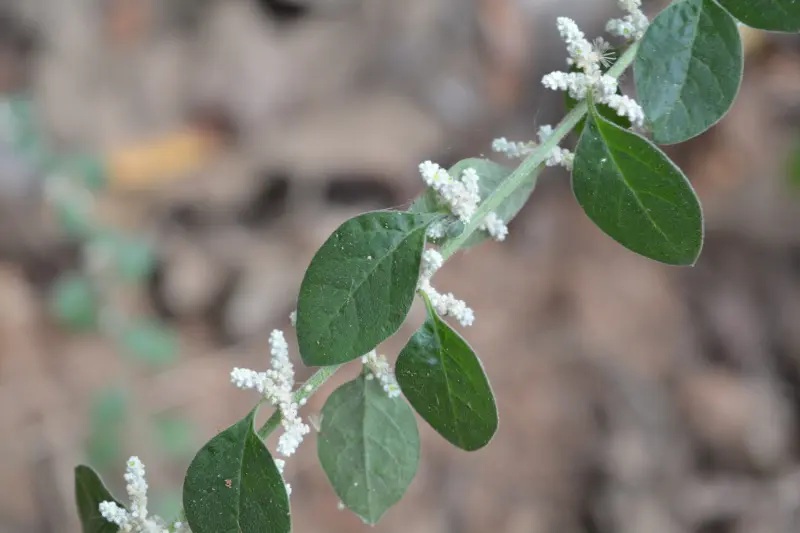
Quick Facts & Key Highlights
Table of Contents
What is the Scientific Name of Woolly aerva, Polpala?
The botanical or scientific name of Aerva lanata is commonly known as Woolly aerva, Polpala. This plant botanically belongs to the Amaranthaceae family. Its other local or common vernacular names include Woolly aerva, Polpala, गोरखबूटी, गोरखगांजा, भद्रा, अश्मभेदा, पाषाणभेद (कुछ संदर्भों में).
Ayurvedic Profile (Classical Ayurvedic Properties)
Ayurvedic characteristics according to classical text Bhavaprakasha Nighantu, Raja Nighantu:
Key Active Phytochemicals & Bioactive Compounds
Phytochemicals Found in Plant Parts
Active Bioactive Compounds (via PubChem & IMPPAT)
Bioactive molecules providing therapeutic results for target ailments:
Kaempferol is a tetrahydroxyflavone in which the four hydroxy groups are located at positions 3, 5, 7 and 4'. Acting as an antioxidant by reducing oxidative stress, it is currently under consideration as a possible cancer treatment. It has a role as a geroprotector, an antibacterial agent, a plant metabolite, a human xenobiotic metabolite, a human urinary metabolite and a human blood serum metabolite. It is a member of flavonols, a tetrahydroxyflavone and a 7-hydroxyflavonol. It is a conjugate acid of a kaempferol oxoanion.
Quercetin is a pentahydroxyflavone having the five hydroxy groups placed at the 3-, 3'-, 4'-, 5- and 7-positions. It is one of the most abundant flavonoids in edible vegetables, fruit and wine. It has a role as a geroprotector, an antioxidant, an antibacterial agent, an antineoplastic agent, a protein kinase inhibitor, a chelator, a radical scavenger, an Aurora kinase inhibitor, a plant metabolite, a phytoestrogen and an EC 1.10.99.2 [ribosyldihydronicotinamide dehydrogenase (quinone)] inhibitor. It is a pentahydroxyflavone and a 7-hydroxyflavonol. It is a conjugate acid of a quercetin-7-olate.
Diseases Treated, Healing Action & Scientific Proofs
13 Verified ConditionsWhy Disease Occurs & Human Body Impact:
The term 'Diuretic' refers to a substance that promotes increased urine production, not a disease itself. Conditions necessitating diuresis, often characterized by fluid overload or edema, include congestive heart failure, chronic kidney disease, liver cirrhosis with ascites, certain forms of hypertension, and peripheral edema due to various etiologies. The underlying pathology in these conditions leads to dysregulation of fluid and electrolyte balance, resulting in excessive extracellular fluid accumulation. The clinical manifestations of fluid overload, which diuretics aim to alleviate, include peripheral edema (e.g., in ankles, sacrum), pulmonary edema leading to dyspnea and orthopnea, ascites, elevated central venous pressure, and consequently, increased cardiac workload. Untreated, persistent fluid retention can exacerbate underlying organ dysfunction (e.g., worsening cardiac failure, renal impairment) and significantly impair patient quality of life.
How Plant Acts & Heals This Disease:
It is an effective diuretic, helping to remove excess water and toxins from the body.
Key Active Compounds in Herb targeting this Ailment
FlavonoidsEstimated Time to See Results:
Woolly aerva (Aerva lanata, 'Polpala') is traditionally recognized for its diuretic properties, attributed to its phytochemical constituents. As a phytotherapeutic agent, its action is typically more gradual and milder compared to potent synthetic diuretics. Patients using Aerva lanata can generally expect a perceptible increase in urinary output and a reduction in mild to moderate edema within several days to a few weeks of consistent use. Its efficacy is often observed in supporting renal function and alleviating symptoms associated with minor urinary tract discomfort or mild fluid retention. It is crucial to emphasize that while supportive, its role is often complementary, and severe conditions requiring rapid or aggressive diuresis warrant conventional medical intervention.
Recommended Dosage & Adjuvant:
15-20ml juice of whole plant in the morning
Verified PubMed Research Papers:
Why Disease Occurs & Human Body Impact:
Kidney stones (nephrolithiasis or urolithiasis) are hard deposits of minerals and acid salts that crystallize in concentrated urine. Their formation is multifactorial, commonly attributed to insufficient fluid intake leading to urinary supersaturation. Other key factors include specific dietary patterns (e.g., high sodium, animal protein, oxalate-rich foods), metabolic imbalances (e.g., hypercalciuria, hyperoxaluria, hyperuricosuria), genetic predispositions, certain medical conditions (e.g., obesity, inflammatory bowel disease, hyperparathyroidism), and medications. These factors promote the aggregation and growth of crystals into macroscopic stones within the renal collecting system. The primary harm caused by kidney stones is acute renal colic, characterized by sudden, excruciating pain in the flank, back, or lower abdomen, often radiating to the groin. This pain is typically due to the stone obstructing urine flow within the ureter or renal pelvis. Associated symptoms include hematuria (blood in urine), dysuria (painful urination), urinary frequency and urgency, nausea, and vomiting. Complications can include hydronephrosis (swelling of the kidney due to urine backup), urinary tract infections (UTIs) including pyelonephritis, and in severe or chronic cases, impaired renal function or sepsis, particularly if obstruction and infection coexist.
How Plant Acts & Heals This Disease:
Aerva lanata helps in dissolving and expelling kidney stones from the body.
Key Active Compounds in Herb targeting this Ailment
TriterpenoidsEstimated Time to See Results:
Woolly aerva (Aerva lanata, Polpala) is traditionally recognized for its diuretic and potential lithotriptic properties, which may support the management of kidney stones. Its mechanism is hypothesized to involve increasing urine output, thereby facilitating the flushing of small stones and reducing crystal agglomeration, alongside possible anti-inflammatory effects. Patients utilizing Polpala might observe diuretic effects within a few days of consistent use. Symptomatic relief, such as reduced dysuria or mild discomfort associated with small stones, could potentially be noticeable within one to two weeks. However, for actual stone passage or significant reduction in stone burden, particularly for small, non-obstructing stones, a more prolonged period of consistent intake, ranging from several weeks to a few months, is generally anticipated. It is crucial to understand that Polpala acts as a complementary support and is not a substitute for conventional medical diagnosis, monitoring, or intervention for larger, symptomatic, or obstructing stones, which often require specific medical procedures.
Recommended Dosage & Adjuvant:
20-30ml decoction of leaves twice a day
Verified PubMed Research Papers:
Why Disease Occurs & Human Body Impact:
Urinary Tract Infections (UTIs) predominantly arise from bacterial colonization, most commonly Escherichia coli (E. coli), which ascend from the perianal region into the urethra and subsequently to the bladder (cystitis), and in some cases, further to the kidneys (pyelonephritis). Contributing factors include anatomical differences (shorter urethra in females), sexual activity, urinary tract obstruction, and immunocompromised states. UTIs manifest with symptoms such as dysuria (painful urination), increased urinary frequency and urgency, suprapubic discomfort, and hematuria. Untreated or severe infections can lead to pyelonephritis, characterized by fever, chills, flank pain, and systemic malaise. Chronic or recurrent UTIs can potentially result in renal scarring, compromised kidney function, and in rare severe cases, urosepsis, which is a life-threatening systemic infection.
How Plant Acts & Heals This Disease:
Gorakhbooti (Aerva lanata) is highly effective in treating urinary tract infections (UTIs). Due to its diuretic properties, it flushes out bacteria from the body and soothes burning sensations.
Key Active Compounds in Herb targeting this Ailment
Flavonoids & AlkaloidsEstimated Time to See Results:
Woolly aerva (Polpala) is traditionally utilized for its purported diuretic, anti-inflammatory, and antimicrobial properties, offering supportive benefits in urinary tract health. When used as an adjunct, individuals might begin to notice a reduction in mild symptoms like urinary frequency or discomfort within approximately 3-7 days of consistent use. However, for established bacterial infections, Woolly aerva acts primarily as a supportive agent rather than a primary curative one, and should not replace conventional antibiotic therapy. Full therapeutic support, particularly for recurrence prevention, may require longer-term administration (several weeks to months). It is crucial to consult with a healthcare professional for diagnosis and appropriate management of UTIs.
Recommended Dosage & Adjuvant:
Decoction: 50-100ml daily
Verified PubMed Research Papers:
Deprecated: htmlspecialchars(): Passing null to parameter #1 ($string) of type string is deprecated in /home/u873801098/domains/herbtruth.com/public_html/plant.php on line 1501
Why Disease Occurs & Human Body Impact:
The need for 'Antioxidant and Immune Support' arises from various physiological stressors and lifestyle factors that compromise the body's natural defense mechanisms. Primary causes include chronic exposure to environmental toxins (e.g., pollution, UV radiation), an unhealthy diet lacking essential nutrients, chronic psychological stress, inadequate sleep, aging processes leading to diminished cellular repair, chronic infections, and certain metabolic conditions. These factors collectively increase oxidative stress by generating an imbalance between reactive oxygen species (ROS) and antioxidant defenses, alongside impairing immune cell function, thus creating a demand for enhanced protective and supportive mechanisms. When the body's antioxidant capacity and immune function are suboptimal, the consequences are not a single 'disease' but a state of heightened vulnerability. This can manifest as increased susceptibility to infections (e.g., frequent colds, prolonged recovery from illness), chronic fatigue, delayed wound healing, and persistent inflammation. Prolonged oxidative stress can lead to cellular damage, contributing to the progression of various chronic diseases such as cardiovascular disorders, neurodegenerative conditions, metabolic syndrome, and certain cancers. Overall, a compromised antioxidant and immune status leads to a decline in general well-being and resilience.
How Plant Acts & Heals This Disease:
It possesses potent antioxidant properties that protect the body from free radical damage.
Key Active Compounds in Herb targeting this Ailment
FlavonoidsEstimated Time to See Results:
The medicinal plant Woolly aerva (Aerva lanata, Polpala) is traditionally recognized for its diuretic, anti-inflammatory, antimicrobial, and potential immune-modulating properties. For 'Antioxidant and Immune Support,' which involves complex physiological adjustments rather than acute disease treatment, expect a gradual onset of effects. Consistent daily use of Polpala, as part of a comprehensive health regimen, may start to show supportive benefits over a period of 4 to 8 weeks. Observable improvements might include a perceived increase in energy levels, reduced incidence or severity of minor infections, or a general sense of improved vitality. Full therapeutic effects, aiming for sustained support and modulation of antioxidant and immune parameters, typically require several months of continuous use. It is important to note that this herb provides supportive care and should not replace conventional medical treatment for specific diseases; individual responses can vary, and professional medical guidance is advised.
Recommended Dosage & Adjuvant:
100-200mg extract of whole plant
Verified PubMed Research Papers:
Why Disease Occurs & Human Body Impact:
Inflammation is a fundamental biological response of vascular tissues to harmful stimuli, acting as a protective mechanism to remove injurious agents and initiate healing. It primarily occurs due to infections (bacterial, viral, fungal), physical trauma (injuries, burns), exposure to irritants (chemicals, allergens), or as a component of autoimmune reactions where the body's immune system erroneously attacks its own tissues. Chronic inflammation can also be driven by persistent low-grade irritants, lifestyle factors such as poor diet, stress, and environmental toxins. Acute inflammation manifests with classic signs: redness (rubor), swelling (tumor), heat (calor), pain (dolor), and loss of function (functio laesa) in the affected area. Systemically, it can cause fever, fatigue, and malaise. Chronic inflammation is more insidious and can lead to significant tissue damage, fibrosis, and organ dysfunction over time. It is implicated in a wide range of debilitating conditions, including rheumatoid arthritis, inflammatory bowel diseases, atherosclerosis, neurodegenerative disorders, metabolic syndromes, and certain cancers. Prolonged inflammation can result in persistent pain, reduced mobility, impaired organ function, and a diminished quality of life.
How Plant Acts & Heals This Disease:
Its extracts possess anti-inflammatory properties that help reduce various types of inflammation.
Key Active Compounds in Herb targeting this Ailment
TriterpenoidsEstimated Time to See Results:
Woolly aerva (Aerva lanata), known as Polpala, is traditionally recognized for its anti-inflammatory properties, attributed to compounds such as flavonoids and triterpenes that may modulate inflammatory pathways. When used as a supportive botanical, patients might begin to experience a reduction in mild inflammatory symptoms or an overall improvement in well-being within approximately **2 to 4 weeks** of consistent and appropriate use. For more chronic or systemic inflammatory conditions, sustained benefits and significant changes in inflammatory markers may require **several months** of ongoing administration. It is crucial to understand that Polpala acts as an adjuvant therapy, supporting the body's natural processes and potentially mitigating inflammatory responses; it is not a rapid-acting pharmaceutical. Optimal outcomes are often achieved when integrated with conventional medical management, dietary adjustments, and lifestyle modifications. Individual responses can vary based on the severity and nature of the inflammation, dosage, and individual physiological factors.
Recommended Dosage & Adjuvant:
Leaf paste on external inflammation
Verified PubMed Research Papers:
Why Disease Occurs & Human Body Impact:
The term 'Antimicrobial' refers to a substance or property that acts against microorganisms, not a disease itself. Diseases occur when pathogenic microorganisms (e.g., bacteria, viruses, fungi, parasites) invade a host, multiply, and cause cellular or systemic damage. Transmission occurs through various routes, including direct contact, airborne particles, contaminated food/water, or vectors. Host susceptibility is influenced by immune status, age, and underlying health conditions. The harm caused pertains to the specific infection being addressed, not 'Antimicrobial' as a disease. Infections can manifest with a wide range of symptoms such as fever, localized inflammation, pain, organ dysfunction, and systemic responses like sepsis. If the causative microorganism is resistant to conventional antimicrobial agents (Antimicrobial Resistance), the infection can persist, worsen, become more difficult to treat, and potentially lead to severe complications, prolonged illness, or death.
How Plant Acts & Heals This Disease:
It may be effective in inhibiting the growth of various bacteria and fungi.
Key Active Compounds in Herb targeting this Ailment
AlkaloidsEstimated Time to See Results:
Woolly aerva (Aerva lanata) is traditionally recognized for diuretic, anti-inflammatory, and *in vitro* antimicrobial properties. However, its efficacy as a primary antimicrobial treatment in humans for specific infections requires more robust clinical validation. As a traditional supportive remedy, noticeable effects or impact on recovery would typically be gradual, potentially observed over several days to weeks for mild conditions or as an adjunct. It is generally not expected to provide rapid or definitive antimicrobial resolution comparable to pharmaceutical agents for acute or severe infections. Patients must consult with a healthcare professional for diagnosis, appropriate treatment, and integration of herbal remedies, especially for active infections.
Recommended Dosage & Adjuvant:
Leaf decoction for gargling
Verified PubMed Research Papers:
Why Disease Occurs & Human Body Impact:
Diabetes mellitus is a chronic metabolic disorder characterized by elevated blood glucose levels (hyperglycemia) resulting from defects in insulin secretion, insulin action, or both. Type 1 Diabetes arises from autoimmune destruction of pancreatic beta cells, leading to absolute insulin deficiency. Type 2 Diabetes, the most prevalent form, is primarily characterized by insulin resistance, where body cells do not respond effectively to insulin, coupled with progressive impairment of pancreatic beta cell function, resulting in relative insulin deficiency. Gestational diabetes occurs during pregnancy. Key contributing factors include genetic predisposition, obesity, physical inactivity, age, and ethnicity. Uncontrolled hyperglycemia in diabetes leads to various acute and chronic complications. Acutely, symptoms may include polyuria (frequent urination), polydipsia (increased thirst), polyphagia (increased hunger), unexplained weight loss, fatigue, and blurred vision. Chronically, diabetes damages blood vessels and nerves throughout the body. Microvascular complications encompass retinopathy (leading to vision impairment and blindness), nephropathy (kidney disease, potentially progressing to kidney failure), and neuropathy (nerve damage, causing pain, numbness, and contributing to diabetic foot ulcers and amputations). Macrovascular complications include an increased risk of cardiovascular diseases such as myocardial infarction (heart attack), stroke, and peripheral artery disease. It also compromises immune function, increasing susceptibility to infections.
How Plant Acts & Heals This Disease:
It may help in controlling blood sugar levels.
Key Active Compounds in Herb targeting this Ailment
FlavonoidsEstimated Time to See Results:
Woolly aerva (*Aerva lanata*, Polpala) has been traditionally used and is being investigated for its potential hypoglycemic properties, primarily in in-vitro and animal studies. These studies suggest mechanisms such as improved glucose utilization, modulation of carbohydrate metabolism, and antioxidant effects. However, it is crucial to understand that Polpala is considered a *supportive adjunct* and *not a cure* for diabetes, nor a replacement for conventional medical treatment, including prescribed medications, dietary management, and regular exercise. If used as a complementary therapy under medical supervision, any potential supportive effects on blood glucose management would typically manifest gradually over *several weeks to months* of consistent use. Patients should expect modest effects and require ongoing rigorous monitoring of blood glucose levels, regular physician consultations, and adherence to their prescribed diabetes management plan. Discontinuing or altering prescribed medications based solely on the use of herbal remedies is strongly discouraged due to potential serious health risks.
Recommended Dosage & Adjuvant:
3-5 grams of leaf powder once a day
Verified PubMed Research Papers:
Why Disease Occurs & Human Body Impact:
Liver health can be compromised by a multitude of factors, leading to conditions requiring hepatoprotective interventions. Primary causes include viral infections (e.g., Hepatitis B and C), chronic alcohol consumption, non-alcoholic fatty liver disease (NAFLD) often associated with metabolic syndrome (obesity, type 2 diabetes, hyperlipidemia), drug-induced liver injury (DILI) from certain medications, exposure to environmental toxins, autoimmune diseases, and genetic predispositions. These stressors induce inflammation, oxidative stress, and cellular damage within hepatocytes, initiating a cascade of pathological changes. The harm caused by compromised liver health ranges from insidious, often asymptomatic inflammation in early stages, to severe, life-threatening complications. Initial symptoms may be non-specific (fatigue, nausea, vague abdominal discomfort). As liver damage progresses, it can lead to fibrosis and ultimately cirrhosis, impairing vital liver functions. This manifests as jaundice (yellowing of skin/eyes), ascites (fluid accumulation in the abdomen), peripheral edema, coagulopathy (easy bruising/bleeding), hepatic encephalopathy (neurological dysfunction, confusion), portal hypertension, and an increased risk of hepatocellular carcinoma. The liver's diminished capacity to detoxify, synthesize proteins, and metabolize nutrients profoundly impacts systemic health.
How Plant Acts & Heals This Disease:
It may help protect the liver from damage and improve its function.
Key Active Compounds in Herb targeting this Ailment
GlycosidesEstimated Time to See Results:
Woolly aerva (Aerva lanata), traditionally known as Polpala, is recognized in certain ethnomedical systems for its potential hepatoprotective properties, often attributed to its antioxidant and anti-inflammatory compounds. However, it is crucial to understand that herbal remedies typically serve as *supportive* agents rather than primary treatments for established severe liver disease. When used to support liver health or mitigate minor stressors, the onset of *perceivable* performance, such as a reduction in impact or support for cellular integrity, is generally gradual. Patients should realistically expect to use Polpala consistently for a period ranging from **several weeks to a few months** before any subtle benefits or supportive effects on liver function might be observed. It is essential to integrate such herbal interventions under professional medical guidance and alongside conventional treatments and necessary lifestyle modifications, as they are not a substitute for standard medical care in reversing significant liver damage or treating acute conditions.
Recommended Dosage & Adjuvant:
10-15ml juice of whole plant once a day
Verified PubMed Research Papers:
Why Disease Occurs & Human Body Impact:
Wound healing is a complex biological process initiated in response to tissue injury, rather than a disease itself. However, this physiological process can become impaired, leading to chronic wounds. Impairment can stem from various factors including local conditions such as infection, inadequate tissue perfusion, sustained pressure, or the presence of foreign bodies. Systemic contributors include malnutrition, uncontrolled diabetes mellitus, peripheral vascular disease, immunosuppression, advanced age, and the use of certain medications like corticosteroids, all of which disrupt the intricate phases of coagulation, inflammation, proliferation, and remodeling essential for effective repair. When wound healing is compromised, the primary harm is the persistence of an open lesion, which significantly increases susceptibility to severe local and systemic infections, potentially leading to sepsis. Other complications include chronic pain, reduced mobility, loss of organ or limb function, disfigurement, and profound psychological distress, all of which severely diminish the patient's quality of life. In severe and prolonged cases, non-healing wounds can necessitate extensive surgical interventions, including debridement, skin grafting, or, as a last resort, amputation, particularly in conditions like severe diabetic foot ulcers.
How Plant Acts & Heals This Disease:
Traditionally used for healing wounds and cuts.
Key Active Compounds in Herb targeting this Ailment
TriterpenoidsEstimated Time to See Results:
Aerva lanata (Woolly aerva, Polpala) is traditionally valued for its potential anti-inflammatory, antimicrobial, and antioxidant properties, which are beneficial attributes in supporting the multifaceted process of wound healing. As a complementary therapy, its supportive effects, such as contributing to inflammation reduction and aiding tissue repair, are typically observed gradually. Patients should understand that herbal remedies generally do not elicit immediate, rapid therapeutic changes. Noticeable supportive impact, manifesting as improved wound bed preparation, reduced local inflammation, or a conducive environment for re-epithelialization, would likely become apparent over several weeks to months of consistent application. The exact timeline is highly dependent on the wound's specific characteristics (type, size, depth, duration), its etiology, the patient's overall health status, and strict adherence to established conventional medical wound care protocols. It is paramount that Aerva lanata be utilized under professional medical guidance and not as a substitute for primary, evidence-based wound management.
Recommended Dosage & Adjuvant:
Leaf paste on the wound
Verified PubMed Research Papers:
Why Disease Occurs & Human Body Impact:
Hypertension, or high blood pressure, primarily occurs due to a complex interplay of genetic predispositions and significant lifestyle factors (essential hypertension), accounting for 90-95% of cases. These factors include chronic high dietary sodium intake, physical inactivity, obesity, excessive alcohol consumption, chronic psychological stress, and smoking. Less commonly, hypertension can be secondary to underlying medical conditions such as renal disease, endocrine disorders (e.g., hyperthyroidism, Cushing's syndrome), or certain medications. Sustained hypertension is often asymptomatic, earning it the moniker 'silent killer'. Untreated, it leads to progressive damage to vital organs and systems. This includes accelerated atherosclerosis, significantly increasing the risk of myocardial infarction (heart attack), stroke, heart failure, and peripheral artery disease. It also impairs renal function, potentially leading to chronic kidney disease and end-stage renal failure. Ocular complications such as hypertensive retinopathy can result in vision impairment or blindness. Neurologically, it can contribute to cognitive decline, vascular dementia, and cerebral aneurysms, in addition to stroke. The primary harm stems from the increased workload on the heart and the direct endothelial damage to blood vessels throughout the body.
How Plant Acts & Heals This Disease:
Due to its diuretic properties, it may help in reducing blood pressure.
Key Active Compounds in Herb targeting this Ailment
FlavonoidsEstimated Time to See Results:
Woolly aerva (Aerva lanata, Polpala) is traditionally recognized for its diuretic properties, which theoretically could contribute to a modest reduction in blood pressure by decreasing plasma volume. However, it is imperative to understand that hypertension is a chronic condition requiring long-term management, and herbal remedies like Polpala are considered supportive agents, not a primary cure or substitute for conventional antihypertensive medication. Any physiological effects, such as increased diuresis, might be observed within days to a few weeks of consistent use. For a potentially noticeable, albeit modest, supportive impact on blood pressure, consistent administration over several weeks to months would typically be required. Patients should expect gradual, supportive effects rather than rapid recovery. Regular medical monitoring of blood pressure is essential to assess any impact and ensure safety, especially when integrating herbal supplements with prescribed medications.
Recommended Dosage & Adjuvant:
15-20ml decoction of root
Verified PubMed Research Papers:
Why Disease Occurs & Human Body Impact:
The need for 'Immune System Support' arises from various factors that can compromise or dysregulate the body's natural defenses. Primary causes include chronic psychological or physiological stress, nutritional deficiencies (e.g., vitamins D, C, zinc), insufficient sleep, chronic infections, aging (immunosenescence), exposure to environmental toxins, and certain medical conditions or pharmacotherapies that suppress immune function. These factors can lead to a state where the immune system is less effective in identifying and combating pathogens or maintaining homeostasis. A compromised or dysregulated immune system manifests as increased susceptibility to recurrent infections (e.g., frequent upper respiratory tract infections, prolonged recovery from illness), generalized fatigue, impaired wound healing, and a heightened risk of developing or exacerbating chronic inflammatory conditions. In severe cases, it can lead to opportunistic infections or a diminished capacity to respond effectively to new antigenic challenges, impacting overall health and quality of life.
How Plant Acts & Heals This Disease:
It may help strengthen the immune system and enhance the body's disease resistance.
Key Active Compounds in Herb targeting this Ailment
GlycosidesEstimated Time to See Results:
Woolly aerva (Polpala, *Aerva lanata*) is traditionally recognized for its potential immunomodulatory and supportive properties, often attributed to its bioactive compounds (e.g., flavonoids, triterpenoids). As a natural herbal intervention, its effects on immune system support are typically gradual and cumulative, rather than immediate. Patients might begin to observe subtle improvements in general well-being, reduced frequency or severity of minor infections, or improved energy levels within 4 to 8 weeks of consistent, appropriate use. However, achieving more significant and sustained immunomodulatory effects or a noticeable reduction in the impact of chronic immune challenges generally requires continuous administration over several months. It is crucial to understand that Polpala acts as a supportive agent and should be integrated within a holistic approach to immune health, including balanced nutrition, adequate sleep, and stress management, and not viewed as a standalone cure for severe immune deficiencies.
Recommended Dosage & Adjuvant:
100-200mg extract of whole plant
Verified PubMed Research Papers:
Why Disease Occurs & Human Body Impact:
Hyperlipidemia is characterized by abnormally elevated levels of lipids (fats), primarily cholesterol and triglycerides, in the bloodstream. Its primary causes include genetic predispositions (primary hyperlipidemia) which impair the body's ability to process lipids, and lifestyle factors (secondary hyperlipidemia). The latter encompasses diets rich in saturated and trans fats, lack of physical activity, obesity, smoking, excessive alcohol consumption, and underlying medical conditions such as diabetes mellitus, hypothyroidism, and certain kidney or liver diseases. Hyperlipidemia often presents asymptomatically in its initial stages. The primary harm arises from its long-term insidious effects, predominantly atherosclerosis, where excess lipids contribute to the formation of plaque within arterial walls. This hardening and narrowing of arteries significantly increases the risk of serious cardiovascular diseases, including coronary artery disease (leading to angina or myocardial infarction), ischemic stroke, and peripheral artery disease. Extremely high triglyceride levels can also precipitate acute pancreatitis, a severe inflammatory condition of the pancreas.
How Plant Acts & Heals This Disease:
It may help in reducing cholesterol and triglyceride levels.
Key Active Compounds in Herb targeting this Ailment
Beta-sitosterolEstimated Time to See Results:
Woolly aerva (Aerva lanata), commonly known as Polpala, is a medicinal plant traditionally utilized for various health conditions, including its potential role in lipid management. While research into its hypolipidemic effects is ongoing, preliminary studies suggest it may support lipid reduction through mechanisms such as modulating cholesterol absorption or synthesis. As a herbal intervention, its performance is typically gradual and supportive, rather than rapid or curative. Patients using Woolly aerva for hyperlipidemia should expect to use it consistently for several weeks to a few months (e.g., 4 to 12 weeks) before any potential, measurable impact on lipid parameters might be observed, and this would ideally be in conjunction with lifestyle modifications and under medical supervision. It is important to note that herbal remedies act as complementary support and are not a substitute for prescribed pharmaceutical treatments for managing hyperlipidemia.
Recommended Dosage & Adjuvant:
2-4 grams of whole plant powder
Verified PubMed Research Papers:
Why Disease Occurs & Human Body Impact:
The term 'Anticancer' refers to therapeutic agents or strategies that combat cancer, not a disease itself. Cancer is a group of diseases characterized by uncontrolled cell proliferation and spread. Its primary causes are multifactorial, including genetic mutations (inherited or acquired), environmental carcinogens (e.g., tobacco smoke, radiation, certain chemicals), viral infections (e.g., HPV, hepatitis B/C), chronic inflammation, and lifestyle factors (e.g., poor diet, physical inactivity, obesity, excessive alcohol). These factors can damage cellular DNA, leading to dysregulation of cell growth and division. Cancer causes harm through localized tumor growth (compressing organs, obstructing passages), distant metastasis (spread to other tissues), and systemic effects. Main symptoms vary widely based on cancer type and stage but can include unexplained weight loss, persistent fatigue, pain, lumps, changes in bowel/bladder habits, non-healing sores, or abnormal bleeding. Complications can range from organ dysfunction and immune suppression to severe cachexia and paraneoplastic syndromes, ultimately leading to significant morbidity and mortality if untreated.
How Plant Acts & Heals This Disease:
Some preliminary studies suggest it may have the potential to inhibit the growth of cancer cells.
Key Active Compounds in Herb targeting this Ailment
TriterpenoidsEstimated Time to See Results:
Regarding Aerva lanata (Woolly aerva, Polpala) and its potential 'anticancer' properties: While traditional uses and preclinical studies (in vitro and in vivo animal models) suggest Aerva lanata possesses antioxidant, anti-inflammatory, and some cytotoxic activities against certain cancer cell lines, robust human clinical trials confirming its efficacy as a primary anticancer agent are currently lacking. Therefore, it is *not* an established treatment for cancer. There is no quantifiable 'recovery time' or expected period for it to 'show performance,' 'reduce impact,' or 'support recovery' from cancer in humans based on scientific evidence. It cannot replace conventional, evidence-based cancer therapies (e.g., surgery, chemotherapy, radiation, immunotherapy). Any use of Aerva lanata in conjunction with cancer treatment should be strictly under the guidance of a qualified healthcare professional, with awareness that its direct impact on cancer progression or recovery is unproven.
Recommended Dosage & Adjuvant:
More research needed, not recommended for general consumption
Verified PubMed Research Papers:
Fact Check
Scientific Truth: Aerva lanata possesses properties that help dissolve and expel stones, but claiming it 'immediately breaks' them is an exaggeration. It depends on the type and size of the stone.
About the Author

Vikas Pal
Medicinal Plant Researcher & Health Content WriterVikas Pal is an independent Herbal Researcher and Health Content Writer with over one year of experience in researching medicinal plants and evidence-based herbal medicine. He specializes in reviewing scientific literature, analyzing traditional herbal knowledge, and presenting accurate, easy-to-understand information based on trusted sources, including peer-reviewed journals, PubMed, WHO, and other reputable health organizations. His goal is to make reliable herbal knowledge accessible while helping readers understand the potential benefits, safety, traditional uses, and current scientific evidence of medicinal plants.