
Sacred Fig, Bodhi Tree (Ficus religiosa): Benefits, Dosage, Side Effects & Research
Peepal is a large, fast-growing deciduous tree native to India, known for its religious and medicinal significance. It is revered in Buddhism as the Bodhi Tree.
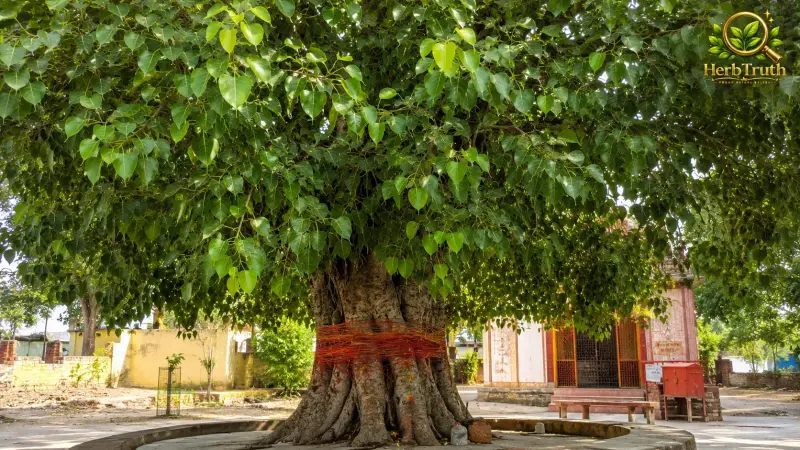
Quick Facts & Key Highlights
Table of Contents
What is the Scientific Name of Sacred Fig, Bodhi Tree?
The botanical or scientific name of Ficus religiosa is commonly known as Sacred Fig, Bodhi Tree. This plant botanically belongs to the Moraceae family. Its other local or common vernacular names include Sacred Fig, Bodhi Tree, पीपल, अश्वत्थ, बोधिद्रुम.
Ayurvedic Profile (Classical Ayurvedic Properties)
Ayurvedic characteristics according to classical text Bhavaprakasha Nighantu, Charaka Samhita, Sushruta Samhita:
Key Active Phytochemicals & Bioactive Compounds
Phytochemicals Found in Plant Parts
Diseases Treated, Healing Action & Scientific Proofs
6 Verified ConditionsWhy Disease Occurs & Human Body Impact:
Diabetes is a metabolic disorder primarily characterized by persistently elevated blood glucose levels. This arises either from the body's inability to produce sufficient insulin (e.g., Type 1 Diabetes, an autoimmune condition where pancreatic beta cells are destroyed), or from its cells becoming resistant to the effects of insulin, coupled with a relative deficiency in insulin production (e.g., Type 2 Diabetes, strongly linked to genetics, obesity, and lifestyle factors). Insulin is a hormone essential for regulating glucose uptake into cells for energy. Uncontrolled diabetes leads to chronic hyperglycemia, causing progressive damage to various organs and systems. Immediate symptoms can include excessive thirst and urination, unexplained weight loss, and fatigue. Long-term complications are severe, encompassing microvascular damage (leading to retinopathy and potential blindness, nephropathy and kidney failure, and neuropathy causing nerve damage, particularly in the extremities) and macrovascular diseases (increasing the risk of heart attacks, strokes, and peripheral artery disease). It can also impair wound healing and increase susceptibility to infections.
How Plant Acts & Heals This Disease:
Extracts from Pipal bark and leaves help in reducing blood sugar levels.
Key Active Compounds in Herb targeting this Ailment
Lupeol, QuercetinEstimated Time to See Results:
The Sacred Fig (Ficus religiosa) is recognized in traditional medicine for its potential hypoglycemic properties, supported by preclinical studies suggesting some impact on glucose metabolism. However, it is crucial to understand that Ficus religiosa is considered a complementary agent and not a primary treatment for diabetes. There is currently a lack of robust, large-scale human clinical trials to definitively establish its efficacy, optimal dosage, and precise timeline for significantly reducing the impact of diabetes or achieving 'recovery.' Any potential supportive metabolic effects, if observed, would likely be gradual, developing over several weeks to months of consistent use, and would only be an adjunct to, never a replacement for, prescribed conventional medical therapies (e.g., medication, insulin, dietary management, exercise). Patients must continue conventional medical care and consult their healthcare provider before incorporating any herbal supplements to avoid interactions or adverse effects.
Recommended Dosage & Adjuvant:
3-6g bark powder twice daily
Why Disease Occurs & Human Body Impact:
Wounds represent a disruption in the integrity of the skin or underlying tissues, rather than a disease called 'Wound Healing'. They primarily arise from physical trauma such as cuts, abrasions, lacerations, burns, or surgical incisions. Other significant causes include sustained pressure (leading to pressure ulcers), compromised vascular supply (e.g., venous or arterial ulcers), infections, and underlying systemic conditions like diabetes mellitus, autoimmune disorders, or severe nutritional deficiencies. These systemic factors often impair the body's intrinsic healing cascade, resulting in delayed or chronic wounds. Wounds, especially if unmanaged or chronic, can lead to a range of adverse outcomes. Immediate consequences include pain, localized inflammation, and potential hemorrhage. A primary concern for prolonged or complicated wounds is susceptibility to bacterial colonization, progressing to infection, cellulitis, abscess formation, osteomyelitis, or even systemic sepsis, which is life-threatening. Chronic wounds significantly impair quality of life, limit mobility, cause disfigurement or persistent scarring, and in severe instances, may necessitate extensive surgical debridement or amputation.
How Plant Acts & Heals This Disease:
Pipal bark extract is helpful in wound healing and preventing infection.
Key Active Compounds in Herb targeting this Ailment
Gallic acid, RutinEstimated Time to See Results:
Ficus religiosa (Sacred Fig, Bodhi Tree) has a history of traditional use for its wound-healing properties, largely attributed to its rich phytoconstituent profile, including flavonoids, tannins, phenolic compounds, and triterpenoids, which exhibit anti-inflammatory, antioxidant, and antimicrobial effects. When applied topically in appropriate formulations, extracts are thought to aid in reducing inflammation, promoting granulation tissue formation, enhancing collagen synthesis, and supporting re-epithelialization. For minor acute wounds, observable improvements in inflammatory signs and initial tissue regeneration might be noted within **several days to 1-2 weeks** with consistent, appropriate application as an adjunct to standard wound care. For more complex or chronic wounds (e.g., diabetic or pressure ulcers), the supportive effects leading to significant wound size reduction or progression towards closure may extend over **weeks to several months**, always requiring comprehensive medical management. It is crucial to understand that Ficus religiosa acts as a supportive therapeutic agent; its efficacy and timeline are highly dependent on the wound type, severity, patient's overall health, and strict adherence to professional medical guidance. Expectations should be for support in the natural healing process rather than a rapid, standalone cure.
Recommended Dosage & Adjuvant:
Apply bark paste on the wound
Why Disease Occurs & Human Body Impact:
The term 'Anti-inflammatory' describes a therapeutic action, not a disease itself. Inflammatory diseases, however, are conditions characterized by excessive or prolonged inflammation. These occur when the body's immune system, normally protective, either mistakenly attacks its own tissues (autoimmune diseases like rheumatoid arthritis, lupus, or inflammatory bowel disease) or mounts an exaggerated and persistent response to a perceived threat (e.g., infections, injuries, toxins, allergens). Genetic predispositions, environmental triggers, chronic stress, dietary factors, and infections can all contribute to the initiation and perpetuation of these inflammatory processes. Inflammatory diseases manifest with symptoms such as pain, swelling, redness, heat, and impaired function in affected areas. Chronic inflammation can lead to progressive tissue damage, organ dysfunction, and systemic complications. Examples include joint destruction in arthritis, impaired digestive function in inflammatory bowel disease, narrowing of airways in asthma, and increased risk of cardiovascular disease or certain cancers due to persistent systemic inflammation. Over time, these conditions can significantly reduce quality of life, cause chronic pain, fatigue, and disability.
How Plant Acts & Heals This Disease:
Pipal extracts possess anti-inflammatory properties that reduce inflammation in the body.
Key Active Compounds in Herb targeting this Ailment
Rutin, Quercetin, LupeolEstimated Time to See Results:
The Sacred Fig (Ficus religiosa), also known as the Bodhi Tree, has a long history of use in traditional medicine systems, particularly Ayurveda, for its purported anti-inflammatory, analgesic, and wound-healing properties. Preclinical studies have identified various phytochemicals (e.g., flavonoids, phenolic compounds, steroids) within different parts of the plant with demonstrated anti-inflammatory activity in in vitro and animal models. However, robust human clinical trial data specifically establishing its efficacy, optimal dosage, and 'recovery time' for specific inflammatory diseases are limited. As with many herbal interventions used for chronic conditions, any potential effects would typically require consistent administration over several weeks to months to manifest. It is important to manage expectations; while it may offer supportive benefits or help reduce certain symptoms in mild-to-moderate chronic inflammation, it is not a rapid-acting cure and should not replace conventional medical treatments for serious inflammatory diseases. Any use should be discussed with a healthcare professional to ensure safety, avoid interactions, and integrate appropriately with existing medical care.
Recommended Dosage & Adjuvant:
20-30ml bark decoction once daily
Why Disease Occurs & Human Body Impact:
The concept of 'Antioxidant and Immune Support' refers not to a disease, but to physiological processes critical for health maintenance. A *need* for enhanced support arises when the body's internal antioxidant defenses are overwhelmed by oxidative stress (an imbalance between free radical production and antioxidant capacity) or when immune function is suboptimal. Primary causes include chronic exposure to environmental toxins (e.g., pollution, smoking), psychological stress, poor nutrition, sedentary lifestyle, aging, certain medications, and chronic infections or inflammatory conditions. These factors increase free radical production, damage cellular components, and can suppress or dysregulate immune responses. Insufficient antioxidant and immune support leads to a compromised physiological state rather than a specific disease entity. The primary harm caused includes increased cellular and tissue damage due to oxidative stress, which contributes to accelerated aging, chronic inflammation, and an elevated risk of developing various chronic diseases (e.g., cardiovascular disease, neurodegenerative disorders, certain cancers). Compromised immune function manifests as increased susceptibility to infections (viral, bacterial, fungal), prolonged recovery times from illness, and potentially the exacerbation of autoimmune conditions. Non-specific symptoms may include persistent fatigue, general malaise, slow wound healing, and recurrent infections.
How Plant Acts & Heals This Disease:
Pipal extract protects cells from oxidative damage.
Key Active Compounds in Herb targeting this Ailment
Rutin, Quercetin, Gallic acidEstimated Time to See Results:
The Sacred Fig (Ficus religiosa), also known as the Bodhi Tree, is recognized in traditional medicine systems for its adaptogenic, anti-inflammatory, and antioxidant properties, suggesting a supportive role in enhancing the body's natural defenses. It is crucial to understand that herbal interventions like Sacred Fig typically exert their effects gradually, aiming to support physiological balance rather than providing rapid 'recovery' from an acute condition. Clinical efficacy and timing are highly variable among individuals due to factors such as dosage, formulation, individual metabolism, overall health status, and the severity of the underlying stress or immune challenge. Based on general principles of botanical medicine, one might expect to observe subtle improvements in markers related to oxidative stress or immune modulation, or a subjective sense of improved well-being, *potentially over several weeks to a few months* of consistent use. It is not a rapid-acting therapeutic agent, and its use should complement, not replace, conventional medical care or essential lifestyle modifications.
Recommended Dosage & Adjuvant:
2-3g leaf powder daily
Why Disease Occurs & Human Body Impact:
Cardioprotective is not a disease itself, but rather a property or effect that protects the heart from various cardiovascular diseases (CVDs). CVDs primarily occur due to a complex interplay of genetic predispositions and lifestyle factors. Key primary causes include atherosclerosis (hardening and narrowing of arteries), hypertension (high blood pressure), dyslipidemia (abnormal cholesterol levels), diabetes mellitus, obesity, chronic inflammation, oxidative stress, and lifestyle choices such as smoking, physical inactivity, and diets high in saturated fats and refined sugars. The harm caused by untreated or poorly managed cardiovascular diseases is significant and can manifest as myocardial infarction (heart attack), cerebrovascular accident (stroke), angina pectoris (chest pain), heart failure, peripheral artery disease, and chronic kidney disease. Symptoms vary but often include chest discomfort, shortness of breath, fatigue, palpitations, and edema. These conditions can lead to irreversible organ damage, significant morbidity, and mortality.
How Plant Acts & Heals This Disease:
Pipal may help in maintaining heart health and reducing the risk of cardiovascular diseases.
Key Active Compounds in Herb targeting this Ailment
β-sitosterol, QuercetinEstimated Time to See Results:
The Sacred Fig (Ficus religiosa), also known as the Bodhi Tree, has been traditionally recognized for its potential cardioprotective properties, attributed to its rich content of bioactive compounds such as flavonoids, phenolic acids, and phytosterols. These compounds are believed to exert antioxidant, anti-inflammatory, hypolipidemic, and hypotensive effects, which are beneficial in mitigating risk factors for cardiovascular diseases. As a natural product, the onset of noticeable effects from Ficus religiosa for cardioprotection is typically gradual and may take several weeks to a few months of consistent use to support physiological improvements or reduce impact on established risk factors. It is crucial to understand that Ficus religiosa should be considered a complementary approach and not a substitute for conventional medical treatment or prescribed medications for cardiovascular conditions. Efficacy and 'recovery time' can vary widely based on individual health status, the specific preparation used, dosage, and the severity of underlying conditions. Clinical trials specifically quantifying the 'recovery time' for its cardioprotective effects are limited, and any use should be under the guidance of a qualified healthcare professional, particularly for patients with existing heart conditions.
Recommended Dosage & Adjuvant:
3-6g bark powder in the morning
Why Disease Occurs & Human Body Impact:
The term 'anticancer' refers to the property of an agent or substance that combats cancer, not a disease itself. Cancer, the disease that 'anticancer' agents target, is a complex multifactorial condition characterized by the uncontrolled proliferation and spread of abnormal cells. Its primary causes are a combination of genetic predispositions, acquired mutations due to environmental factors (e.g., exposure to carcinogens like tobacco smoke, radiation, certain viruses, chemicals), lifestyle choices (e.g., poor diet, physical inactivity, excessive alcohol consumption), and chronic inflammation. These factors can damage cellular DNA, leading to dysregulation of cell growth, division, and death, ultimately forming malignant tumors. Cancer causes significant harm through various mechanisms. Initially, localized tumors can disrupt organ function, cause pain, and compress surrounding tissues. As the disease progresses, malignant cells can metastasize, spreading to distant organs via the bloodstream or lymphatic system, establishing secondary tumors that compromise vital organ systems. This can lead to severe symptoms such as cachexia (wasting syndrome), debilitating fatigue, organ failure, immune suppression, increased susceptibility to infections, and severe pain. The systemic effects of cancer, coupled with the side effects of conventional treatments, significantly impair a patient's quality of life and are often life-threatening.
How Plant Acts & Heals This Disease:
Extracts from Pipal leaves and bark have shown the potential to inhibit the growth of certain types of cancer cells.
Key Active Compounds in Herb targeting this Ailment
Lupeol, Gallic acidEstimated Time to See Results:
The Sacred Fig (Ficus religiosa) is primarily recognized in traditional medicine for various properties, and *preclinical research* has indicated potential anticancer activity through mechanisms such as inducing apoptosis, inhibiting proliferation, and modulating signaling pathways, largely attributed to its phytochemicals (e.g., flavonoids, coumarins, triterpenoids). However, it is crucial to understand that Ficus religiosa is *not an approved or clinically established primary treatment for cancer in humans*. There is *no established clinical timeline* for its performance, reduction of impact, or support of recovery in cancer patients. Any use of Ficus religiosa for cancer management is considered *investigational or complementary*, and its efficacy, safety, and appropriate dosing in a clinical cancer context are largely *undetermined*. Patients should *not* rely on this plant as a substitute for conventional cancer therapies (surgery, chemotherapy, radiation, targeted therapy, immunotherapy) and *must* consult with an oncologist or healthcare professional before considering its use, due to potential interactions with conventional treatments and lack of robust human clinical data.
Recommended Dosage & Adjuvant:
As per expert advice
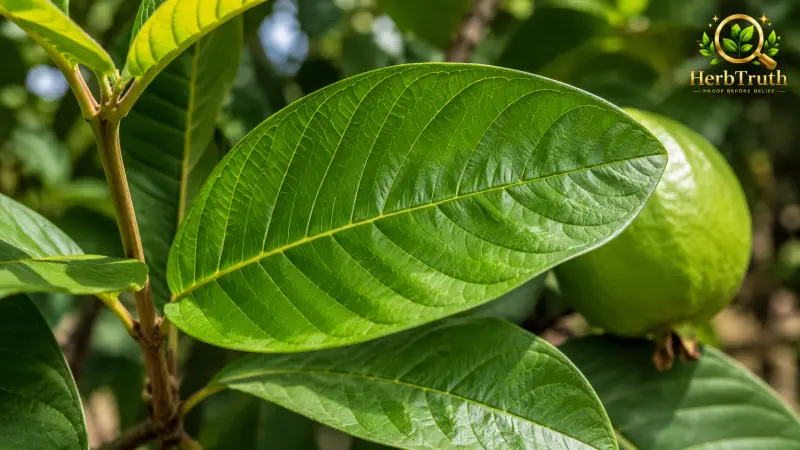
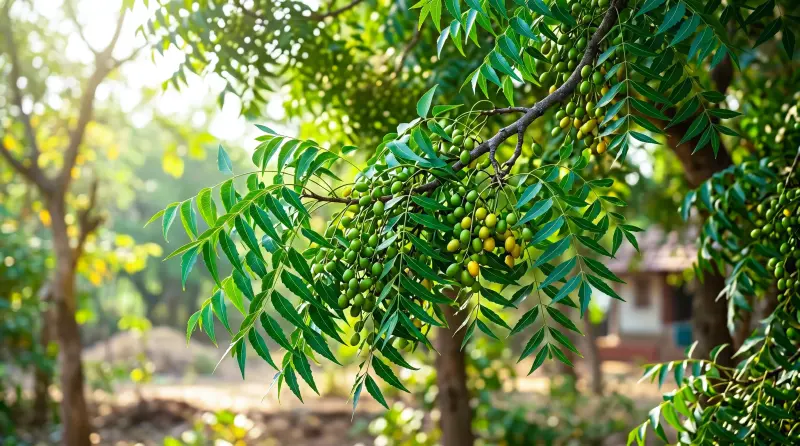
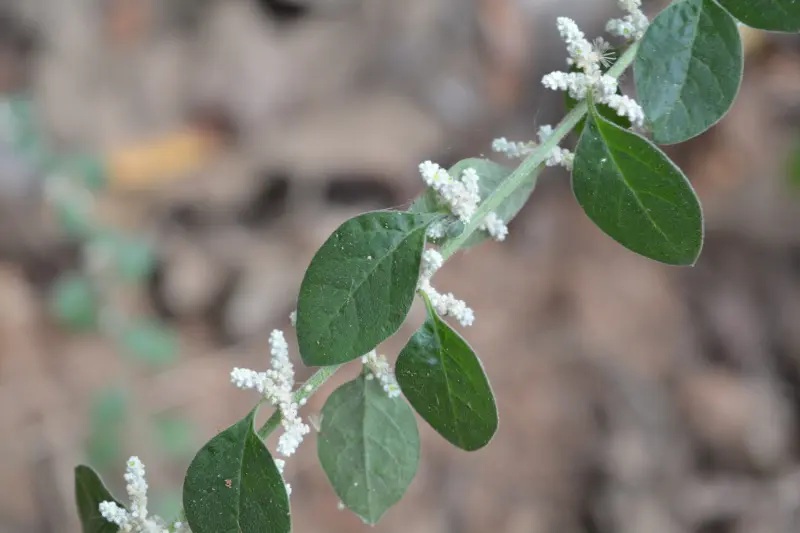
Other Certified Herbs for Diabetes
Below are other medicinal plants scientifically verified for treating this ailment:
Fact Check
Scientific Truth: Peepal may help regulate blood sugar levels, but it is not a complete cure for diabetes and should not be used as a substitute for regular prescribed medications.
About the Author

Vikas Pal
Medicinal Plant Researcher & Health Content WriterVikas Pal is an independent Herbal Researcher and Health Content Writer with over one year of experience in researching medicinal plants and evidence-based herbal medicine. He specializes in reviewing scientific literature, analyzing traditional herbal knowledge, and presenting accurate, easy-to-understand information based on trusted sources, including peer-reviewed journals, PubMed, WHO, and other reputable health organizations. His goal is to make reliable herbal knowledge accessible while helping readers understand the potential benefits, safety, traditional uses, and current scientific evidence of medicinal plants.