
Chinaberry, Persian Lilac, Indian Lilac (Melia azedarach): Benefits, Dosage, Side Effects & Research
Bakain is a fast-growing, medium-sized deciduous tree known for its sweet-scented purple flowers and small yellow fruits. It is widely used in traditional medicine systems for its medicinal properties.
Quick Facts & Key Highlights
Table of Contents
What is the Scientific Name of Chinaberry, Persian Lilac, Indian Lilac?
The botanical or scientific name of Melia azedarach is commonly known as Chinaberry, Persian Lilac, Indian Lilac. This plant botanically belongs to the Meliaceae family. Its other local or common vernacular names include Chinaberry, Persian Lilac, Indian Lilac, बकाइन, ध्रेक, महातिक्त, धूमाक्ष, रम्यक.
Ayurvedic Profile (Classical Ayurvedic Properties)
Ayurvedic characteristics according to classical text Bhavaprakasha Nighantu:
Key Active Phytochemicals & Bioactive Compounds
Phytochemicals Found in Plant Parts
How to Identify the Original Chinaberry, Persian Lilac, Indian Lilac Plant & Seeds?
Plant Identification Guide
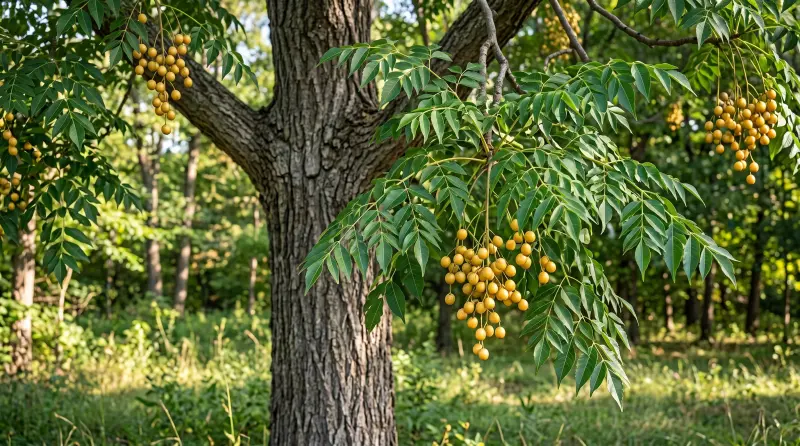
The Bakain tree grows up to 15-20 meters tall, featuring bipinnate or tripinnate leaves with small, oval, serrated leaflets. Its flowers are small, fragrant, and pale purple, borne in loose clusters. The fruits are spherical, yellow, and firm when ripe, persisting on the tree through winter. The bark is brown, rough, and deeply furrowed.
Seeds & Sourcing Guide
Bakain seeds are small, hard, and dark brown, found inside the yellow spherical fruits. They can be extracted directly from the fruits, washed, and dried. Seeds can be sown in spring and thrive in well-drained soil. They can be sourced from reputable nurseries or local forestry departments.
Diseases Treated, Healing Action & Scientific Proofs
12 Verified ConditionsWhy Disease Occurs & Human Body Impact:
Intestinal helminthiasis, commonly known as intestinal worms, occurs primarily through the ingestion of parasite eggs or larvae. This often results from consuming contaminated food or water, contact with contaminated soil (e.g., through bare feet), or poor personal hygiene and inadequate sanitation practices. Common causative agents include nematodes (e.g., Ascaris lumbricoides, Ancylostoma duodenale, Necator americanus, Trichuris trichiura) and cestodes (e.g., Taenia saginata, Taenia solium). The presence of intestinal worms can lead to a spectrum of adverse health effects. Common acute symptoms include abdominal pain, nausea, vomiting, diarrhea, and fatigue. Chronic infections, particularly in children, can cause significant malnutrition, iron-deficiency anemia, impaired physical and cognitive development, and growth retardation. Severe infestations can result in complications such as intestinal obstruction, malabsorption syndromes, and, in some cases, organ damage or migration of worms to extra-intestinal sites, potentially leading to life-threatening conditions.
How Plant Acts & Heals This Disease:
Bakain possesses anthelmintic properties, found effective in eliminating intestinal worms, particularly gastrointestinal trichostrongylids.
Key Active Compounds in Herb targeting this Ailment
Meliacins, ToosendaninEstimated Time to See Results:
Chinaberry (*Melia azedarach*), Persian Lilac, and Indian Lilac (*Azadirachta indica*, also known as Neem, often grouped with 'Indian Lilac' terminology) have been traditionally recognized for their anthelmintic properties, with scientific studies supporting the antiparasitic activity of their various compounds (e.g., azadirachtin-like compounds, meliatoxins). However, the onset and duration for these herbal remedies to significantly reduce parasite burden or achieve complete eradication in humans are not as precisely established or rapid as for conventional pharmaceutical anthelmintics. While some symptomatic improvement might begin to be observed within a few days to a couple of weeks with consistent, appropriate administration, complete recovery or elimination of parasites often requires a longer duration of use and should be monitored by a healthcare professional. It is crucial to note that *Melia azedarach* can be toxic if not used correctly, and both plants should be used under expert guidance, not as a sole replacement for evidence-based medical treatments for confirmed helminthic infections.
Recommended Dosage & Adjuvant:
1-2 grams of seed powder twice daily, or 5-10 ml leaf juice
Verified PubMed Research Papers:
Why Disease Occurs & Human Body Impact:
Fever, or pyrexia, is an elevated core body temperature above the normal homeostatic range (typically exceeding 38°C or 100.4°F orally). It is not a disease itself but a common physiological symptom, primarily an adaptive response orchestrated by the hypothalamus. It results from the release of pyrogens (exogenous, such as microbial toxins, or endogenous, like pro-inflammatory cytokines such as IL-1, IL-6, TNF-alpha) which modulate thermoregulatory centers. The most frequent causes include infectious diseases (viral, bacterial, parasitic, fungal), inflammatory conditions, autoimmune disorders, drug reactions, and malignancies. While moderate fever can be beneficial in augmenting immune responses, sustained or high fever can cause significant discomfort and potential harm. Common symptoms include malaise, myalgia, headache, chills, diaphoresis (sweating), and dehydration. Complications can range from febrile seizures in susceptible children, confusion or delirium in the elderly, and exacerbation of underlying cardiovascular or pulmonary conditions. In severe cases, extreme hyperthermia can lead to organ dysfunction and heat stroke, though fever itself is a regulated process distinct from uncontrolled hyperthermia.
How Plant Acts & Heals This Disease:
Hydro-methanol extracts of Melia azedarach seeds have shown antipyretic effects, helping to reduce fever in experimental animals.
Key Active Compounds in Herb targeting this Ailment
Flavonoids, TriterpenoidsEstimated Time to See Results:
Traditional use of plants identified as Chinaberry, Persian Lilac, or Indian Lilac (encompassing species like Melia azedarach and Azadirachta indica) suggests their potential as antipyretic agents. However, the precise onset and magnitude of their impact on reducing fever are highly variable and depend on numerous factors, including the specific plant part used, preparation method, dosage, the underlying cause and severity of the fever, and individual patient metabolism. Based on traditional and some pharmacological studies, a noticeable reduction in fever or alleviation of associated symptoms, if effective, might commence gradually over several hours to a day following consistent administration. It is crucial to understand that these are supportive measures, and their efficacy is generally slower and less predictable than conventional antipyretics. Persistent or high fever warrants immediate professional medical evaluation, as herbal remedies are not a substitute for evidence-based medical diagnosis and treatment.
Recommended Dosage & Adjuvant:
5-10 ml leaf juice or 1-2 grams of seed powder
Verified PubMed Research Papers:
Why Disease Occurs & Human Body Impact:
Malaria is an infectious disease caused by parasitic protozoans of the genus Plasmodium, primarily transmitted to humans through the bite of an infected female Anopheles mosquito. The parasites (sporozoites) are injected into the bloodstream, travel to the liver for maturation and multiplication, and then emerge as merozoites to infect red blood cells, leading to symptomatic disease. Less common transmission routes include blood transfusions, organ transplantation, and congenital transmission. The disease is characterized by cyclical fevers, chills, sweats, headache, muscle aches, and fatigue, resulting from the rupture of infected red blood cells and the host's inflammatory response. Severe malaria, predominantly caused by Plasmodium falciparum, can lead to life-threatening complications such as cerebral malaria (seizures, coma), severe anemia, acute kidney injury, acute respiratory distress syndrome (ARDS), metabolic acidosis, and multi-organ failure. Untreated severe malaria carries a high mortality rate. Relapses can occur with P. vivax and P. ovale due to dormant liver stages (hypnozoites).
How Plant Acts & Heals This Disease:
Green-synthesised nanoparticles from Melia azedarach seeds have been found effective in controlling malaria vector mosquitoes, which can help prevent the spread of malaria.
Key Active Compounds in Herb targeting this Ailment
Meliacins, ToosendaninEstimated Time to See Results:
Regarding the medicinal plants Chinaberry (Melia azedarach), Persian Lilac (Melia azedarach), and Indian Lilac (often Azadirachta indica or Neem), it is critical to understand that **these plants are not clinically proven or recommended treatments for malaria**. There is **no established scientific evidence from rigorous human clinical trials** demonstrating their efficacy, performance, or safety in treating malaria infection or reducing its impact. Therefore, it is **impossible to provide an approximate recovery time** based on their use. Relying on these plants as a substitute for conventional, WHO-recommended antimalarial drugs can lead to severe disease progression, life-threatening complications, and potential fatality due to delayed or inadequate treatment. Patients experiencing malaria symptoms must seek immediate medical attention for accurate diagnosis and prompt treatment with conventional antimalarial medications (e.g., artemisinin-based combination therapies - ACTs), which typically alleviate symptoms and reduce parasite load within 24-48 hours, with full recovery expected within days to a week for uncomplicated cases.
Recommended Dosage & Adjuvant:
Not for direct consumption, used for mosquito control
Verified PubMed Research Papers:
Why Disease Occurs & Human Body Impact:
Rheumatic pain is a broad term encompassing various musculoskeletal discomforts, often stemming from inflammation, autoimmune processes, or degenerative changes within joints, muscles, and connective tissues. Primary causes include genetic predispositions, immune system dysregulation (as seen in rheumatoid arthritis), age-related wear and tear (osteoarthritis), infection, trauma, or metabolic disorders. This condition typically manifests as persistent joint pain, stiffness (particularly pronounced in the mornings or after inactivity), swelling, warmth, and reduced range of motion. Chronic rheumatic conditions can lead to progressive joint damage, deformities, functional disability, and systemic complications affecting organs beyond the musculoskeletal system, significantly impairing quality of life.
How Plant Acts & Heals This Disease:
Certain components of Bakain exhibit anti-inflammatory properties that may aid in relieving rheumatic pain. (This research is on 'Putranjiva roxburghii', but similar phytochemical classes may be present).
Key Active Compounds in Herb targeting this Ailment
FlavonoidsEstimated Time to See Results:
Traditional use of plants commonly referred to as Chinaberry (Melia azedarach), Persian Lilac (Melia azedarach), or Indian Lilac (Azadirachta indica - Neem) for rheumatic pain often leverages their purported anti-inflammatory and analgesic properties. However, it is critical to note that Melia azedarach (Chinaberry/Persian Lilac) is known for its toxic compounds, particularly in its fruits, and internal consumption is highly discouraged due to significant safety risks. Topical application for symptomatic relief has been explored traditionally, but clinical evidence for efficacy and safety is limited. For Azadirachta indica (Indian Lilac/Neem), while it has a broader history of traditional internal use and some scientific studies supporting anti-inflammatory effects, it is not a primary treatment for complex rheumatic diseases. Any symptomatic relief from such herbal remedies would typically be gradual, often requiring consistent application or consumption over several weeks to months, and should be considered only as an adjunctive measure. These plants do not address the underlying disease mechanisms of most rheumatic conditions and should not replace conventional medical diagnosis and treatment. Patients must consult healthcare professionals due to the serious nature of rheumatic diseases and the potential toxicity and drug interactions associated with herbal remedies.
Recommended Dosage & Adjuvant:
Apply leaf paste topically on the affected area
Verified PubMed Research Papers:
Why Disease Occurs & Human Body Impact:
Jaundice, characterized by yellow discoloration of the skin, sclera (whites of the eyes), and mucous membranes, results from hyperbilirubinemia—an elevated level of bilirubin in the blood. Bilirubin is a yellow pigment produced during the normal breakdown of red blood cells. Normally, the liver processes this bilirubin, making it water-soluble and excreting it in bile. Jaundice can be classified based on where the issue arises: pre-hepatic (e.g., excessive red blood cell destruction), hepatic (e.g., liver cell dysfunction due to hepatitis, cirrhosis, or drug-induced injury), or post-hepatic (e.g., obstruction of bile flow, such as by gallstones or tumors). The primary physical manifestation of jaundice is the visible yellowing of the skin and eyes. Associated symptoms often include dark urine (due to excreted conjugated bilirubin), pale or clay-colored stools (due to reduced bilirubin reaching the intestines), and generalized itching (pruritus), particularly in obstructive jaundice. The true harm and complications arise from the underlying cause of the jaundice. These can range from mild, self-limiting conditions to severe, life-threatening pathologies such as acute liver failure, sepsis from ascending cholangitis, pancreatitis, or—in severe neonatal cases—kernicterus leading to irreversible brain damage. Jaundice itself is a sign, necessitating prompt medical evaluation to identify and treat the root cause.
How Plant Acts & Heals This Disease:
Bakain has been traditionally used in the treatment of jaundice, as documented in various ethnobotanical studies describing its use by local communities.
Key Active Compounds in Herb targeting this Ailment
Triterpenoids, FlavonoidsEstimated Time to See Results:
Regarding the medicinal plant known as Chinaberry, Persian Lilac, or Indian Lilac (referring generally to species such as Melia azedarach or Azadirachta indica), it is crucial to understand that these plants are not recognized as primary, scientifically validated treatments for jaundice within conventional medicine. Jaundice is a symptom of an underlying medical condition that demands precise diagnosis and evidence-based treatment. While these plants have traditional uses and some research suggests potential hepatoprotective or anti-inflammatory properties in animal models, there is insufficient robust clinical evidence to establish their direct efficacy in reducing bilirubin levels or resolving jaundice in humans within a predictable timeframe. Therefore, it is inappropriate to assign an expected recovery time or direct performance impact for jaundice based solely on the use of these botanical preparations. Patients experiencing jaundice must seek immediate consultation with a qualified healthcare professional for accurate diagnosis and appropriate medical management. Relying solely on herbal remedies for jaundice can delay crucial treatment and lead to severe, potentially irreversible complications. Any complementary use of such plants should only occur under strict medical supervision.
Recommended Dosage & Adjuvant:
Leaf juice or decoction under medical supervision
Verified PubMed Research Papers:
Why Disease Occurs & Human Body Impact:
Diarrhea is characterized by frequent, loose, or watery stools, primarily resulting from gastrointestinal infections (bacterial, viral, parasitic), food intolerances, certain medications (e.g., antibiotics), or underlying inflammatory bowel conditions. The underlying mechanisms typically involve increased fluid secretion into the intestinal lumen, decreased fluid absorption, or accelerated intestinal motility. The primary clinical concern with diarrhea is dehydration and electrolyte imbalance (e.g., loss of sodium, potassium, chloride), which can be life-threatening, particularly in vulnerable populations such as infants, young children, and the elderly. Symptoms include abdominal cramping, bloating, nausea, vomiting, and fever. Severe dehydration can manifest as lethargy, reduced urine output, sunken eyes, dry mucous membranes, and in critical cases, lead to shock or organ failure. Chronic diarrhea can contribute to malnutrition and significant weight loss.
How Plant Acts & Heals This Disease:
Bakain contains compounds like lupeol and stigmasterol, which may possess anti-inflammatory and antimicrobial properties potentially aiding in diarrhea management. (While this paper does not directly study diarrhea, it highlights the presence of active compounds).
Key Active Compounds in Herb targeting this Ailment
Lupeol, StigmasterolEstimated Time to See Results:
The plants commonly referred to as 'Chinaberry' and 'Persian Lilac' (*Melia azedarach*) are toxic, with ingestion of parts, especially fruits, capable of causing severe gastrointestinal symptoms including nausea, vomiting, abdominal pain, and *diarrhea*. Therefore, *Melia azedarach* is not recommended as a medicinal treatment for diarrhea; its use for this purpose is contraindicated due to significant toxicity risks, and it can even induce diarrheal symptoms. There is no clinically recognized recovery timeline for its 'performance' in treating diarrhea. The common name 'Indian Lilac' can sometimes refer to *Melia azedarach*, but is more widely and medicinally associated with *Azadirachta indica* (Neem). Neem is traditionally used for certain digestive issues due to its antimicrobial properties; however, its use for diarrhea should be under professional medical guidance, as it is not a primary treatment and efficacy varies. Expectation for any herbal support for diarrhea would typically involve several days for symptomatic relief, provided it is a safe and appropriate intervention.
Recommended Dosage & Adjuvant:
1-3 grams of bark powder or leaf juice
Verified PubMed Research Papers:
Why Disease Occurs & Human Body Impact:
Inflammation is a fundamental biological response of vascular tissues to harmful stimuli, such as pathogens, damaged cells, or irritants. It is a protective attempt by the organism to remove the injurious stimuli and initiate the healing process. Primary causes include infections (bacterial, viral, fungal), physical injury (trauma, burns), chemical irritants, allergic reactions, and immune system dysregulation (e.g., autoimmune diseases). Chronic inflammation can also arise from persistent exposure to low-grade irritants or metabolic factors. Acute inflammation presents with cardinal signs: redness (rubor), heat (calor), swelling (tumor), pain (dolor), and often loss of function (functio laesa). While beneficial in the short term, prolonged or uncontrolled inflammation (chronic inflammation) can lead to significant tissue damage, fibrosis, scarring, and organ dysfunction. It is implicated in the pathogenesis of numerous chronic diseases, including cardiovascular diseases, diabetes, arthritis, neurodegenerative disorders, and certain cancers, due to continuous cellular stress and cytokine release.
How Plant Acts & Heals This Disease:
Bakain is traditionally known for its anti-inflammatory properties, though direct scientific evidence for this specific claim is limited.
Key Active Compounds in Herb targeting this Ailment
Not yet fully elucidatedEstimated Time to See Results:
The medicinal plant complex known as 'Chinaberry' (*Melia azedarach*), often grouped with 'Indian Lilac' (*Azadirachta indica* or Neem) due to similar traditional uses and botanical family, possesses compounds (e.g., limonoids, triterpenes) traditionally recognized for their anti-inflammatory properties. When used to support recovery from inflammatory conditions, it is crucial to understand that herbal remedies typically have a gradual onset of action, unlike fast-acting pharmaceuticals. Significant reduction in impact or symptomatic relief is generally not immediate. Patients might begin to observe a subtle reduction in mild inflammatory symptoms (e.g., discomfort, swelling) after consistent use over several days to a few weeks, depending on the severity and nature of the inflammation, the specific plant preparation, dosage, and individual physiological response. It functions as a supportive agent in managing inflammation rather than a rapid curative intervention, and its use should always complement, not replace, conventional medical diagnosis and treatment for inflammatory diseases. Expect a sustained, rather than acute, therapeutic effect.
Recommended Dosage & Adjuvant:
Decoction or paste of leaves
Why Disease Occurs & Human Body Impact:
Scabies is caused by an infestation of the human itch mite, Sarcoptes scabiei var. hominis. These microscopic mites burrow into the upper layer of the skin, where the female mite lays eggs. Transmission primarily occurs through direct, prolonged skin-to-skin contact with an infested individual. Less commonly, it can be spread via shared clothing, bedding, or towels. The infestation triggers an intense allergic reaction to the mites, their eggs, and their waste products. The primary symptom of scabies is intense pruritus (itching), which is often worse at night and after hot baths. This itching is a hypersensitivity reaction and can be severe enough to disrupt sleep and daily activities. Characteristic skin lesions include small erythematous papules, vesicles, or burrows (thin, grayish-white lines). Common sites of infestation include the web spaces between fingers, wrists, elbows, armpits, navel, waistline, buttocks, and genitalia. In infants, the elderly, or immunocompromised individuals, the infestation can be more widespread, affecting the scalp, face, palms, and soles. Complications include secondary bacterial infections (e.g., impetigo, cellulitis) due to excoriations from scratching. In severe cases, particularly in immunocompromised patients, crusted (Norwegian) scabies can develop, characterized by thick crusts containing thousands of mites, making it highly contagious.
How Plant Acts & Heals This Disease:
Bakain is traditionally used to treat scabies and other itchy skin conditions, owing to its antiseptic and anthelmintic properties.
Key Active Compounds in Herb targeting this Ailment
Not yet fully elucidatedEstimated Time to See Results:
While *Melia azedarach* (Chinaberry, Persian Lilac, Indian Lilac) has been traditionally recognized for various medicinal properties, including some attributed insecticidal or anti-inflammatory effects in ethnobotanical contexts, robust clinical evidence specifically demonstrating its efficacy as a primary acaricide against *Sarcoptes scabiei* in humans is limited. Therefore, providing a definitive timeframe for its standalone performance in reducing impact or supporting recovery from scabies is not scientifically supported. Conventional medical treatments (e.g., topical permethrin, oral ivermectin) are the established standard of care for scabies, typically leading to eradication of mites within days to a week, although post-treatment itching may persist for several weeks due to the lingering allergic reaction. Any use of *Melia azedarach* would primarily be considered as a traditional or complementary approach, and patients should be advised that it is unlikely to eradicate the infestation effectively or promptly on its own. Professional medical consultation for diagnosis and guideline-recommended treatment is paramount to ensure complete mite eradication and prevent complications.
Recommended Dosage & Adjuvant:
Apply leaf or bark paste/oil topically
Why Disease Occurs & Human Body Impact:
Skin diseases arise from a multitude of etiological factors. These include infectious agents (e.g., bacteria, fungi, viruses, parasites), inflammatory responses (e.g., autoimmune conditions like psoriasis, allergic reactions like contact dermatitis, chronic inflammatory states like eczema), genetic predispositions, environmental exposures (e.g., UV radiation, irritants, allergens), and systemic illnesses that manifest cutaneously. Disruption of the skin barrier, dysregulation of immune responses, and microbial imbalances are common underlying mechanisms. The primary harms associated with skin diseases encompass a range of debilitating symptoms and complications. These frequently include pruritus (itching), erythema (redness), localized or generalized inflammation, pain, burning sensations, and various types of lesions such as rashes, papules, vesicles, pustules, scales, crusts, or ulcers. Chronic scratching can lead to excoriations, lichenification, and secondary bacterial infections. Beyond physical discomfort, skin diseases can significantly impair quality of life, leading to psychological distress, social stigma, sleep disturbances, and functional limitations, especially when affecting visible areas or causing severe pain.
How Plant Acts & Heals This Disease:
Traditionally, Bakain has been used for various skin diseases like itching, rashes, and infections, though modern scientific evidence is limited.
Key Active Compounds in Herb targeting this Ailment
Not yet fully elucidatedEstimated Time to See Results:
When utilizing botanical remedies like Chinaberry (*Melia azedarach*, also known as Persian Lilac or Indian Lilac) for supportive management of skin conditions, the onset of noticeable effects and overall recovery timeline can vary substantially. *Melia azedarach* has demonstrated traditional use and some *in vitro* and animal studies suggest anti-inflammatory, antimicrobial, and wound-healing properties. For mild inflammatory or infectious skin conditions, a reduction in symptoms such as itching or erythema might be observed within several days to 1-2 weeks of consistent topical application. However, significant improvement or substantial reduction in impact for chronic or more severe conditions may require several weeks to a few months of continued use. It is crucial to understand that herbal interventions typically act as supportive agents and are not immediate cures. Complete recovery is highly dependent on the specific diagnosis, disease severity, individual physiological response, and adherence to the regimen. Patients should be advised that while Chinaberry has therapeutic potential, it also contains toxic compounds (especially in fruits), and thus, professional guidance on preparation and appropriate topical use is essential. Consultation with a healthcare provider is paramount for accurate diagnosis, management, and to integrate herbal remedies safely within a comprehensive treatment plan, as these should not replace evidence-based medical treatments for serious conditions.
Recommended Dosage & Adjuvant:
Apply leaf paste topically
Why Disease Occurs & Human Body Impact:
Leprosy, also known as Hansen's disease, is a chronic infectious disease caused by the slow-growing bacterium *Mycobacterium leprae*. Transmission occurs primarily through droplets from the nose and mouth during close and frequent contact with untreated infected individuals. It is not highly contagious, and most people have natural immunity. Genetic susceptibility and immune system status of the exposed individual play significant roles in disease development. The disease primarily affects the skin, peripheral nerves, upper respiratory tract, eyes, and testes. Early symptoms often include hypopigmented or reddish skin patches with definite loss of sensation (anesthesia), and nerve involvement leading to numbness, muscle weakness, and paralysis in affected limbs. If left untreated, Leprosy can lead to progressive and irreversible nerve damage, resulting in debilitating deformities, trophic ulcers, loss of fingers and toes, severe visual impairment or blindness, and collapse of the nasal bridge. These complications significantly impact a patient's quality of life and can lead to social stigma.
How Plant Acts & Heals This Disease:
Bakain is mentioned in Ayurvedic texts for managing certain types of leprosy and chronic skin conditions, though modern pharmacological evidence is limited.
Key Active Compounds in Herb targeting this Ailment
Not yet fully elucidatedEstimated Time to See Results:
There is no scientific or clinical evidence to support the efficacy of Chinaberry, Persian Lilac, or Indian Lilac (e.g., *Melia azedarach*) in treating or curing Leprosy. Leprosy is a curable disease with Multi-Drug Therapy (MDT), a combination of specific antibiotics (rifampicin, dapsone, and clofazimine) recommended by the World Health Organization (WHO). Patients typically show initial clinical improvement within weeks to a few months of starting MDT. However, full recovery from the infection and prevention of further nerve damage requires strict adherence to the complete MDT regimen, which lasts 6 months for paucibacillary leprosy and 12 months for multibacillary leprosy. Expecting these medicinal plants to show performance, reduce impact, or support recovery for Leprosy is unfounded and could lead to delayed, inadequate treatment and irreversible disabilities.
Recommended Dosage & Adjuvant:
Internal and external use as per physician's advice
Why Disease Occurs & Human Body Impact:
Hemorrhoids, commonly known as piles, are swollen and inflamed veins in the rectum and anus. They develop primarily due to increased pressure within the lower rectum. Common contributing factors include chronic straining during bowel movements, prolonged sitting, chronic constipation or diarrhea, pregnancy, obesity, a low-fiber diet, and genetic predisposition. Aging can also weaken supporting tissues, making individuals more susceptible. The primary physical harms and symptoms associated with hemorrhoids include painless bleeding during bowel movements (often bright red blood), itching, irritation, and discomfort around the anal region. Patients may experience pain, swelling, or the sensation of a lump near the anus. In more severe cases, hemorrhoids can prolapse (protrude from the anus), becoming painful and potentially requiring manual reduction. Complications can include anemia from chronic blood loss, skin irritation, infection, or the formation of a blood clot within the hemorrhoid (thrombosed hemorrhoid), leading to severe pain and swelling.
How Plant Acts & Heals This Disease:
In traditional medicine, Bakain is used to alleviate symptoms of hemorrhoids, owing to its anti-inflammatory and astringent properties.
Key Active Compounds in Herb targeting this Ailment
Not yet fully elucidatedEstimated Time to See Results:
The plant identified as Chinaberry, Persian Lilac, or Indian Lilac most commonly refers to *Melia azedarach*. While traditional medicine systems ascribe anti-inflammatory and analgesic properties to *Melia azedarach* and use it for various ailments, including hemorrhoids, robust evidence from large-scale human clinical trials specifically on its efficacy and timeline for treating hemorrhoids is limited in conventional scientific literature. If used as a complementary supportive therapy, anecdotal reports for symptomatic relief (e.g., reduced itching, minor discomfort) might suggest an onset of perceptible effects within several days to a week. However, it is crucial to understand that *Melia azedarach* is not considered a primary, evidence-based curative treatment for hemorrhoids and may only offer symptomatic amelioration rather than addressing the underlying pathology. Furthermore, *Melia azedarach* contains toxic compounds (e.g., tetranortriterpenes), and internal ingestion, particularly of its fruits, can be neurotoxic and gastrotoxic. Therefore, any internal use must be strictly supervised by a qualified healthcare professional. Complete recovery or significant resolution of hemorrhoids typically requires a multi-faceted approach involving lifestyle modifications (e.g., increased fiber intake, hydration), and potentially conventional medical treatments. The overall timeline for significant improvement can range from weeks to months depending on the severity and adherence to treatment. Patients should always consult a healthcare provider for accurate diagnosis and a comprehensive treatment plan.
Recommended Dosage & Adjuvant:
Apply leaf paste or oil topically
Why Disease Occurs & Human Body Impact:
Toothache primarily arises from inflammation or irritation of the dental pulp, the innermost tissue of the tooth containing nerves and blood vessels. The most common etiology is dental caries (cavities) leading to bacterial invasion and subsequent pulpitis. Other causes include dental abscesses, cracked or fractured teeth, advanced periodontal disease (gum disease), exposed dentin due to gum recession, dental trauma, and referred pain from conditions such as sinusitis or temporomandibular joint disorders. This inflammation creates pressure within the rigid pulp chamber, stimulating nerve endings and causing pain. The principal manifestation of toothache is pain, which can range from a mild sensitivity to a severe, throbbing, or constant ache, often exacerbated by hot, cold, sweet stimuli, or pressure during mastication. Unaddressed, it can lead to significant physical harm including localized swelling of the face, jaw, or gums, fever, headache, difficulty eating, and impaired sleep. More severe complications include the development of dental abscesses, spread of infection to surrounding tissues (e.g., cellulitis, osteomyelitis, Ludwig's angina), or even systemic bacteremia, posing a serious threat to overall health and quality of life.
How Plant Acts & Heals This Disease:
Bakain has been traditionally used to alleviate toothache, possibly due to its potential analgesic and antimicrobial properties.
Key Active Compounds in Herb targeting this Ailment
Not yet fully elucidatedEstimated Time to See Results:
Chinaberry (*Melia azedarach*), also known as Persian Lilac or Indian Lilac, has traditional uses in ethnomedicine for its reported anti-inflammatory, antimicrobial, and analgesic properties. When applied topically or used as a mouth rinse (e.g., decoctions of leaves or bark), some individuals may experience a reduction in pain or inflammation, providing symptomatic relief within **hours to a few days**. It is crucial to understand that while these traditional remedies may offer temporary relief or support in managing symptoms, they do not address the underlying pathology (e.g., dental caries, deep infection, fracture) causing the toothache. Therefore, true 'recovery' from the disease state necessitating professional dental diagnosis and treatment to prevent progression and severe complications. Reliance solely on herbal remedies without professional dental care is not advisable for definitive treatment of toothache.
Recommended Dosage & Adjuvant:
Rinse with decoction of leaves or bark
Fact Check
Scientific Truth: Verified
About the Author

Vikas Pal
Medicinal Plant Researcher & Health Content WriterVikas Pal is an independent Herbal Researcher and Health Content Writer with over one year of experience in researching medicinal plants and evidence-based herbal medicine. He specializes in reviewing scientific literature, analyzing traditional herbal knowledge, and presenting accurate, easy-to-understand information based on trusted sources, including peer-reviewed journals, PubMed, WHO, and other reputable health organizations. His goal is to make reliable herbal knowledge accessible while helping readers understand the potential benefits, safety, traditional uses, and current scientific evidence of medicinal plants.